
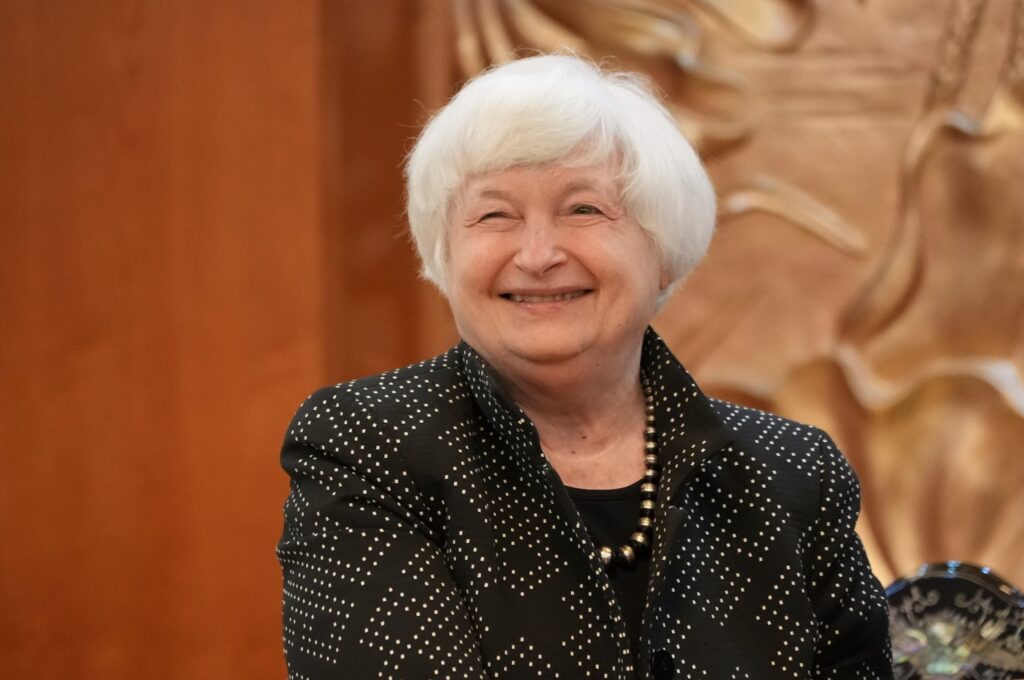
WASHINGTON, July 11 — The nation’s fiscal path is coming into sharper focus, and the numbers are sobering. Janet Yellen, the 78th Treasury Secretary, has spent her tenure since January 2021 steering the department through a period of heavy borrowing. A former Federal Reserve Chair who served from 2014 to 2018, Yellen has long stressed the need for fiscal sustainability.
Under her watch, the Treasury has rolled out new debt instruments and managed its cash balance to keep the borrowing machine running. But the bill is coming due.
The Congressional Budget Office, led by Director Phillip Swagel since June 2022, released its June 2024 projections. The CBO sees the federal deficit hitting $1.5 trillion in fiscal year 2024. Net interest costs alone are pegged at $870 billion, and the agency forecasts those costs will climb to $1.4 trillion by 2034.
By that same year, the debt-to-GDP ratio is expected to reach 116%. Those are not abstract numbers for the Treasury.
They represent real choices about how the government finances itself, and they affect every American who borrows money, pays taxes, or relies on federal programs. The mechanics of this debt are complex. The Treasury issues bonds, notes, and bills to raise cash.
The Federal Reserve, chaired by Jerome Powell, influences the cost of that borrowing through its monetary policy decisions. When the Fed raises interest rates, the Treasury pays more to service the existing debt. When it cuts them, the pressure eases.
Yellen’s team includes Deputy Secretary Wally Adeyemo and Fiscal Assistant Secretary David Lebryk, who handle the day-to-day operations of debt management and cash flow. Their work is largely invisible to the public, but it determines whether the government can pay its bills on time.
The Peter G. Peterson Foundation, a nonpartisan group focused on fiscal issues, has been tracking these trends closely. The foundation regularly publishes analyses of the debt and interest costs, adding independent scrutiny to the official projections.
For now, the trajectory is clear. The deficit is large, interest costs are rising, and the debt-to-GDP ratio is heading toward levels not seen since World War II.
Whether the political system can address this before it becomes a crisis is an open question. What comes next depends on decisions in both the Treasury and the Federal Reserve. Yellen has emphasized fiscal sustainability, but the math is unforgiving.
The CBO’s 2024 report lays out the stakes: a $1.5 trillion deficit this year, $870 billion in interest payments, and a debt ratio that keeps climbing. Those are the facts on the table. The human consequence is that every dollar spent on interest is a dollar not spent on something else — infrastructure, education, health care, or tax relief.
The Peterson Foundation and the CBO both make that point, though in different ways. For now, the Treasury keeps borrowing, the Fed keeps setting rates, and the debt keeps growing.
The question is when, and how, that cycle will break.




