
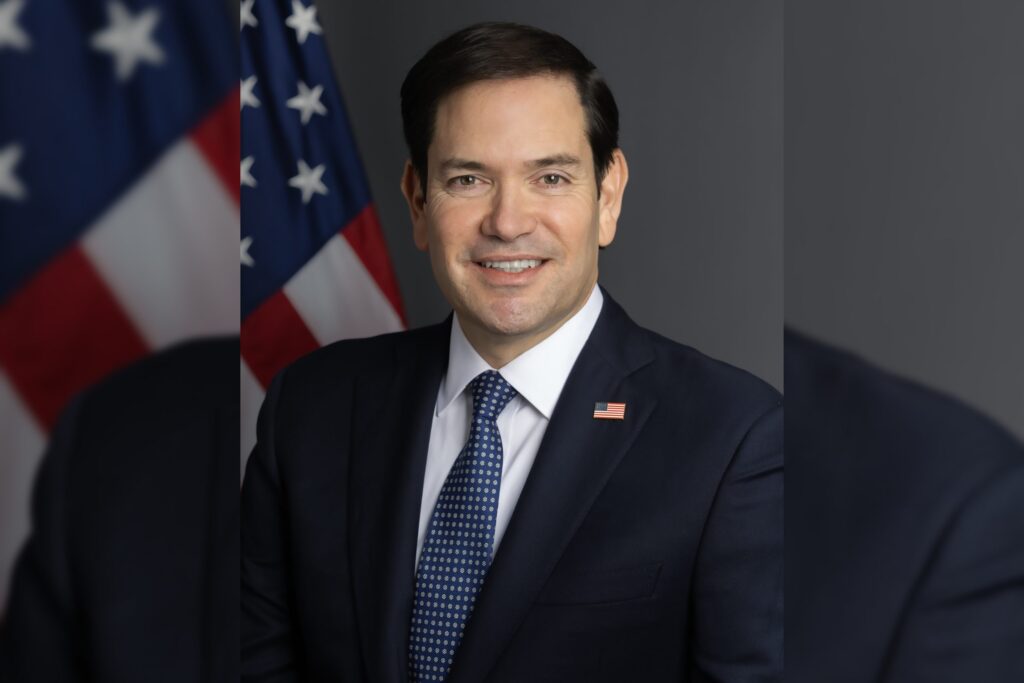
MIAMI, July 12 — On the ground in Little Havana, the news of Marco Rubio’s expanded authority over Venezuela sanctions lands as a familiar echo. For decades, this neighborhood has watched U.S. policy toward Latin America shift with the winds of Washington. Now, one of its own holds the levers.
The Secretary of State, a Miami native born on May 28, 1971, has been in the job since January 20, 2025. A former U.S. Senator from Florida from 2011 to 2025, Rubio has long made Venezuela a centerpiece of his foreign policy work.
The March 22, 2025 executive order gives him direct control over the Venezuela sanctions program — authority previously housed at the Treasury Department’s Office of Foreign Assets Control, or OFAC. The executive order transfers oversight of two key sanctions packages. One is the 2019 round that froze $30 billion in Venezuelan assets.
The other is the 2020 revocation of licenses for oil swaps, a move designed to cut off revenue streams to the Maduro government. Rubio’s office now manages the entire program.
This is not Rubio’s first foray into Venezuela policy. As a senator, he sponsored the 2014 Venezuela Defense of Human Rights and Civil Society Act, which imposed sanctions on Venezuelan officials. He also co-sponsored the 2019 Venezuelan Humanitarian Relief and Reconstruction Act.
Rubio’s appointment has drawn praise from Florida’s Cuban-American community, a voting bloc that has historically shaped U.S. policy toward Latin America. The community’s influence runs deep in Miami, where exile politics have long pushed for hardline stances against authoritarian regimes in the hemisphere. By nightfall, residents here describe a sense of cautious optimism.
The shift of sanctions authority to the State Department, they say, signals a more aggressive posture. Rubio has already prioritized Latin American policy, visiting Colombia and Brazil in February 2025.
Those trips laid groundwork for the current sanctions push. The Maduro government has faced a cascade of U.S. sanctions since 2014. The 2019 asset freeze and the 2020 oil-swap license revocation were among the most potent tools.
Now, with Rubio directly overseeing the program, the question is whether enforcement will tighten further. The State Department has not yet announced new designations or actions under the transferred authority.
The executive order consolidates power in Rubio’s hands. OFAC had managed the sanctions program for years, but the move to the State Department gives the Secretary of State direct operational control. That could speed up decision-making on new sanctions or license revocations.
For the Maduro government, the change signals continuity of pressure. For the Cuban-American community in Florida, it represents a victory — a Miami son now steering the policy they have long championed. By nightfall, the streets of Little Havana are quiet, but the political machinery in Washington is not.




