
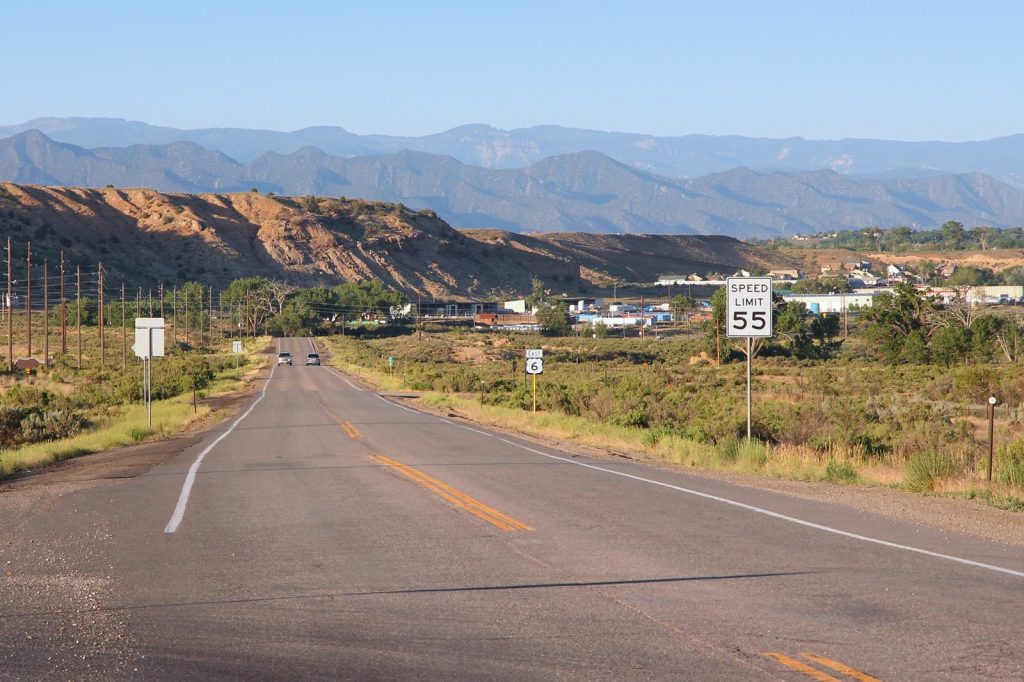
WASHINGTON, July 19 — The nation’s highways once moved at little more than a crawl under federal order. It was a law born of crisis and tested by resistance. A generation ago, the 55 mph speed limit was an emergency remedy for an oil shock — and it became one of the most contested pieces of transportation policy in American history.
The National Maximum Speed Limit was an emergency response to the 1973 oil crisis. On November 26 of that year, President Richard Nixon proposed a national 50 mph speed limit for passenger vehicles and 55 mph for trucks and buses.
Congress then passed the 1974 Emergency Highway Energy Conservation Act, which withheld Federal Highway funds from any state that refused to comply. The final legislation set a maximum speed of 55 mph for all vehicles — an increase Nixon approved when he signed it.
The order takes effect
Before the NMSL, speed limits were as high as 75 mph. Montana and Nevada had no posted limits at all. By November 20, 1973, several states had already acted on their own: Rhode Island, Maryland, Massachusetts, New Jersey, New York, Vermont, and Washington each set a 50 mph limit.
North Carolina and Oregon chose 55 mph. California lowered some of its 70 mph limits to 65 mph.
In Texas, Governor Dolph Briscoe recommended a 55 mph limit, which the Texas Highway Commission adopted on December 4, 1973. But Texas Attorney General John Hill ruled that the commission had exceeded its power. Backlash was immediate.
At least four states opposed the law, with actions ranging from exemption deals to de-emphasizing enforcement. The law became the first federal speed limit since World War II, when the U.S. Office of Defense Transportation set a “Victory Speed Limit” of 35 mph from May 1942 to August 14, 1945.
Fuel prices, fatalities, and a slow reversal
Proponents of the 55 mph limit pointed to reduced traffic fatalities and lower pollution. But as the OPEC Oil Embargo ended, fuel price increases slowed. By 1987, the limit was raised to 65 mph on certain rural roads.
The final blow came on December 8, 1995, when President Bill Clinton signed repeal legislation into law. States were once again free to set their own speed limits.
On the ground, the story of the NMSL is one of abrupt change met with long defiance. What began as a measure to save fuel — and, its supporters said, lives — ended as a lesson in the limits of federal control over the American road. The debate over speed, safety, and state power never really disappeared.
It just shifted into a new gear.
Sources
{“@context”: “https://schema.org”, “@type”: “NewsArticle”, “headline”: “National Speed Limit Saves Fuel, Lives from 1973-1995”, “description”: “WASHINGTON, July 19 — The nation’s highways once moved at little more than a crawl under federal order. It was a law born of crisis…”, “datePublished”: “2026-07-19T09:30:00+00:00”, “author”: {“@type”: “Person”, “name”: “Isabella Moore”}, “publisher”: {“@type”: “Organization”, “name”: “InfoPulse Today”, “url”: “https://newsfeed.infopulsetoday.com/”}, “citation”: [{“@type”: “CreativeWork”, “url”: “https://en.wikipedia.org/wiki/National_Maximum_Speed_Law”}]}




