
NEW DELHI, July 7 — India’s courts are drowning in paperwork. More than 40 million pending cases sit across the entire judiciary, a backlog that clogs the system for years.
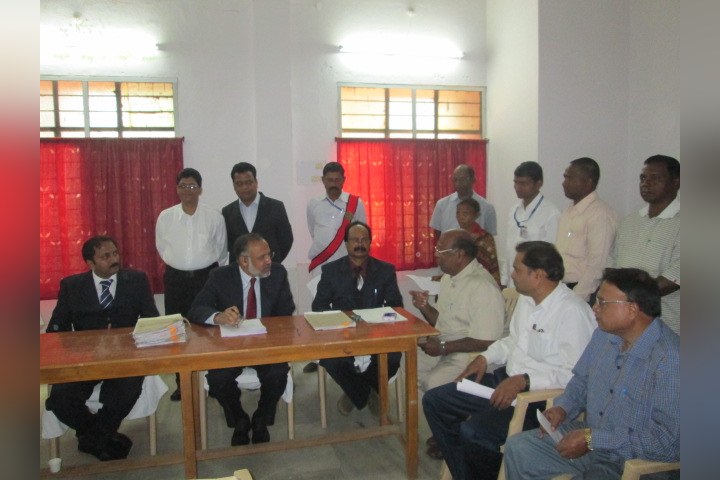
One mechanism trying to clear the logjam is the Lok Adalat, or “people’s court.” These are mass dispute-resolution sessions where parties settle cases outside the formal trial process. The next big one is scheduled for July 11, targeting 135,901 cases in Mysuru district courts alone.
Here’s how it works. Litigants who agree to a settlement get their court fees refunded. That removes a major financial barrier to dropping a case. For banks and businesses, the appeal is straightforward: resolving check bounce cases and recovery suits quickly improves cash flow and cuts legal costs. A single corporate legal department can spend lakhs of rupees chasing a contested cheque through the appeals process. Lok Adalats short-circuit that.
Motor vehicle accident victims also benefit. They get compensation faster than waiting years for a trial judgment. Families caught in matrimonial disputes avoid prolonged emotional and financial strain, settling terms without the adversarial courtroom grind.
The Supreme Court itself is getting in on the act. A Special Lok Adalat scheduled for August will handle 43 cases from Dakshina Kannada that have reached the country’s highest court. That effort aims to unclog the top tier, where a single constitutional bench case can consume months of hearing time.
What researchers and court administrators have found is that Lok Adalats save taxpayer money. Every case settled outside the formal system reduces court time, judicial officer hours, and administrative resources. The cost of running a Lok Adalat is a fraction of what a contested trial demands.
Intriguingly, the mechanism relies on consent. No one is forced to settle. If either party walks away, the case goes back to the regular docket. That keeps the process voluntary and legally sound, but it also means the success rate depends on both sides seeing a practical benefit.
For a system with 40 million pending cases, even partial relief matters. The July 11 session in Mysuru and the August Supreme Court session are small experiments in scaling what works. Whether they can meaningfully reduce the backlog remains an open question, but the mechanism is clear: cheaper, faster, and voluntary.




