
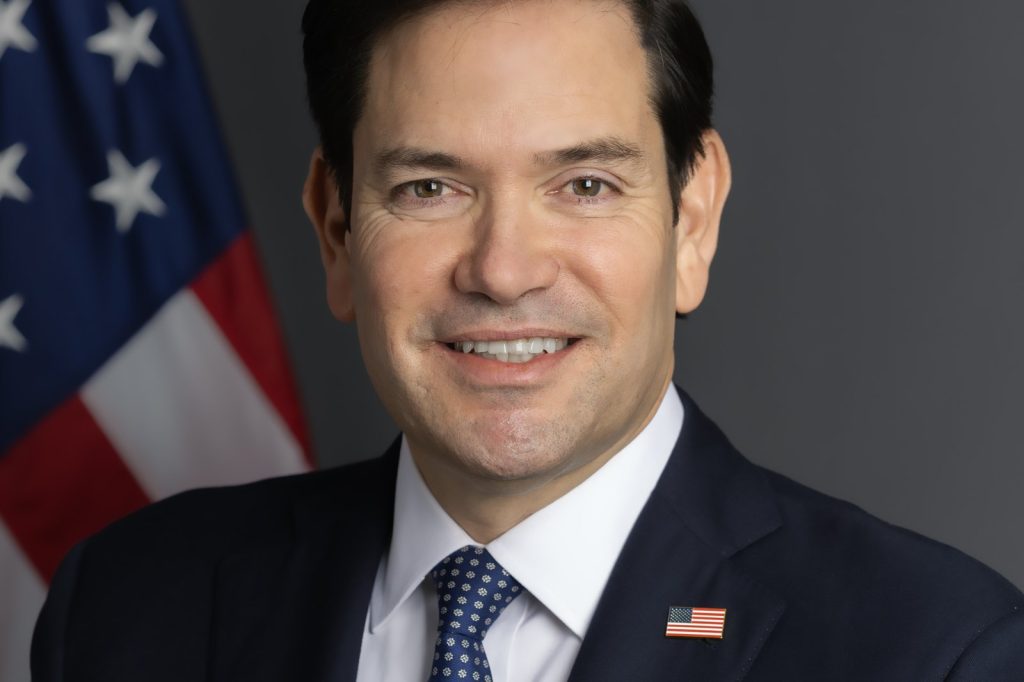
WASHINGTON, July 10 — The conference room on the seventh floor of the State Department is stacked with briefing binders, maps of energy infrastructure, and draft memos. By nightfall, Secretary of State Marco Rubio is still in his chair, working the phones.
Rubio is the point man on a proposed tariff plan that the Trump administration is currently coordinating with key allies — including the European Union and Saudi Arabia. The plan remains under discussion, a fact that officials stress repeatedly. No final numbers have been set. No formal announcement has been scheduled.
But the shape of the strategy is becoming visible.
On the ground here, diplomats describe a two-track approach. The first track is economic: the tariff plan itself, designed to reshape trade relationships and pressure adversaries. The second track is diplomatic: securing buy-in from allies before any public rollout.
Rubio brings a particular set of credentials to the job. Appointed Secretary of State in January 2025 under President Donald Trump, he served as a U.S. Senator from Florida from 2011 to 2025. That long tenure on Capitol Hill gave him deep relationships with both Republican and Democratic foreign policy hands — relationships he is now leaning on heavily.
His record on Russia is instructive. Rubio voted for the 2017 Countering America’s Adversaries Through Sanctions Act, a bill that imposed sanctions on Russia for its interference in the 2016 U.S. election and its annexation of Crimea in 2014. He has been a vocal supporter of sanctions on Russia ever since.
That history matters now. The tariff plan under discussion is not just about trade. It is also about leverage — economic pressure that can be applied or withheld depending on the behavior of rival states. Rubio’s hawkish instincts on Moscow are well known. Allies in Europe are watching closely to see whether the tariff mechanism will be used as a sanctions enforcement tool.
The European Union is a key partner in these talks. EU trade officials have been in and out of Washington for weeks. The conversations are technical — tariff schedules, exemption lists, enforcement mechanisms — but they carry heavy political weight. Saudi Arabia is also at the table, a reflection of the administration’s focus on energy markets.
Rubio has long advocated for increased U.S. energy production to reduce dependence on foreign oil. That position dovetails neatly with the tariff plan. If the United States produces more of its own energy, the logic goes, it can afford to impose tariffs on foreign energy imports without causing domestic price spikes. The Saudis, for their part, are interested in maintaining stable market access.
The scene at the State Department is one of controlled urgency. Staffers move between offices with updated drafts. The Secretary’s schedule is packed with secure video calls. By nightfall, the building is still lit up.
What comes next is uncertain. The tariff plan is still under discussion. No timeline has been set for a final decision. But Rubio is the man in the room, and he is not leaving until the work is done.
{“@context”: “https://schema.org”, “@type”: “NewsArticle”, “headline”: “Rubio: Sec. of State Coordinates Tariff Strategy with Allies”, “description”: “WASHINGTON, July 10 — The conference room on the seventh floor of the State Department is stacked with briefing binders, maps of energy infrastructure, and…”, “datePublished”: “2026-07-10T09:30:00+00:00”, “author”: {“@type”: “Person”, “name”: “Isabella Moore”}, “publisher”: {“@type”: “Organization”, “name”: “InfoPulse Today”, “url”: “https://newsfeed.infopulsetoday.com/”}}




