
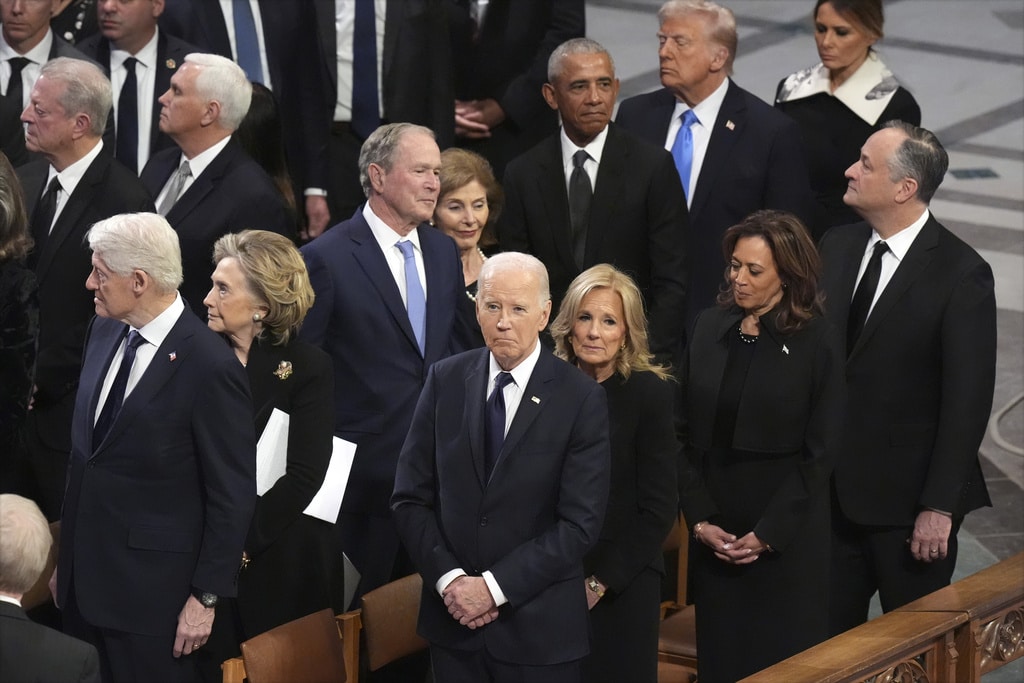
WASHINGTON, July 8 — The figure that matters for the United States Secret Service in fiscal year 2024 is $3.2 billion. That is the agency’s approved budget, funding a workforce of over 7,000 personnel that includes special agents and uniformed division officers. Investors and policy watchers will note that this budget underwrites a dual mission: protecting current and former presidents, vice presidents, and their immediate families, as well as major presidential and vice presidential candidates.
The bottom line for the agency’s protective mandate traces back to 1865, when the Secret Service was established as a bureau of the Department of the Treasury. Its formal role in presidential security came later.
After the assassination of President William McKinley in 1901, Congress informally requested Secret Service protection for presidents. Formal protection was authorized by law in 1906. By the numbers, the agency’s protective net has expanded significantly since those early days.
Former presidents receive lifetime protection under the Former Presidents Act of 1958, though they can decline it. Major candidates, such as Donald Trump for the 2024 election, receive protection from the Secret Service.
The agency’s workforce of over 7,000 personnel is tasked with covering these protectees across multiple security details simultaneously.
Scrutiny and unanswered questions
The Secret Service faced heightened scrutiny in 2022, following the January 6 Capitol attack and for missing text messages. Those episodes raised questions about the agency’s record-keeping and operational transparency. As of September 2024, the Secret Service has not commented on Trump’s claim of an Iranian assassination plot.
That silence leaves a significant gap in public understanding of the threat environment facing current and former protectees. The agency’s $3.2 billion budget for fiscal year 2024 funds both its protective mission and its original investigative function.
Established in 1865 to combat counterfeiting, the Secret Service retains a dual role within the Department of Homeland Security, to which it was transferred in 2003. The protective mission, however, now dominates public attention and resource allocation.
What to watch next
The key question for the Secret Service going forward is how the agency manages its protective responsibilities amid ongoing political polarization and evolving threat vectors. The agency has not addressed the Iranian assassination plot claim, and its handling of the January 6-related text message controversy remains unresolved. With a $3.2 billion budget and over 7,000 personnel, the Secret Service has substantial resources — but the scrutiny it faces shows that money alone does not answer every question about operational competence and transparency.
{“@context”: “https://schema.org”, “@type”: “NewsArticle”, “headline”: “Secret Service Guards Former Presidents and Candidates”, “description”: “WASHINGTON, July 8 — The figure that matters for the United States Secret Service in fiscal year 2024 is $3.2 billion. That is the agency’s…”, “datePublished”: “2026-07-08T09:30:00+00:00”, “author”: {“@type”: “Person”, “name”: “Ava Anderson”}, “publisher”: {“@type”: “Organization”, “name”: “InfoPulse Today”, “url”: “https://newsfeed.infopulsetoday.com/”}}




