
JOHANNESBURG, July 7 — More than 120 anti-immigrant marches swept across South Africa this year, exposing deep fractures in a nation where unemployment now exceeds 43 percent. The protests, organised by South African citizens, turned violent in several cities, with migrants from Nigeria, Zimbabwe, and Somalia facing attacks and forced repatriation.
The South African government responded by deploying 3,405 troops to restore order. Police made over 900 arrests. Nigerian officials condemned the violence, reporting that two of their citizens had been killed.
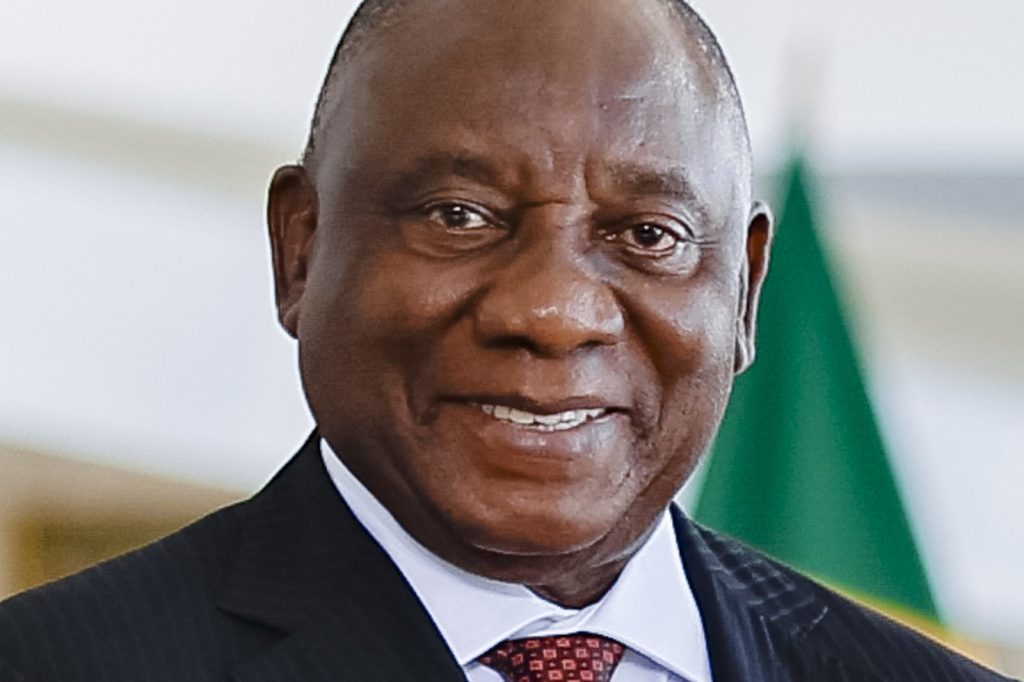
President Cyril Ramaphosa called for calm, urging citizens and immigrants alike to seek peaceful solutions. But his appeals faced sharp criticism from those who argue the government has failed to address the economic inequality driving the unrest.
The protests highlight tensions between citizens and immigrants in a struggling economy.
For many South Africans, the anger is rooted in a simple, painful reality. With more than four in ten workers unable to find a job, competition for scarce opportunities has become fierce. Immigrants, many of whom run small businesses or work in informal sectors, are often blamed for taking jobs that locals feel should be theirs.
The government has acknowledged the economic pressures. Yet concrete steps to lower unemployment or reduce inequality remain elusive. The early findings from this year’s protests suggest that without meaningful change, the cycle of resentment and violence could continue.
Migrants from other African nations have borne the brunt of the hostility. Many have lived in South Africa for years, contributing to local economies and building families. The violence has forced some to flee, while others face an uncertain future in a country that once offered refuge.
The encouraging part, if there is one, is that the government has not ignored the crisis entirely. The deployment of troops and the arrests signal a recognition that lawlessness cannot be allowed to spiral. But patients should understand that treating symptoms is not the same as curing the disease.
South Africa’s challenge is not unique. Across the world, struggling economies have seen a rise in anti-immigrant sentiment. But the scale of the problem here — with unemployment above 43 percent and a history of deep racial and economic divides — makes it particularly volatile.
What happens next will depend on whether political leaders can move beyond calls for calm and begin addressing the root causes. For now, the protests stand as a stark reminder of what happens when economic hope runs dry.
As with any complex situation, there is no quick fix. But for those affected — citizens and migrants alike — the path forward requires honest conversation and sustained effort. Talk to your community leaders. Stay informed. And above all, seek solutions that do not come at the cost of human dignity.




