
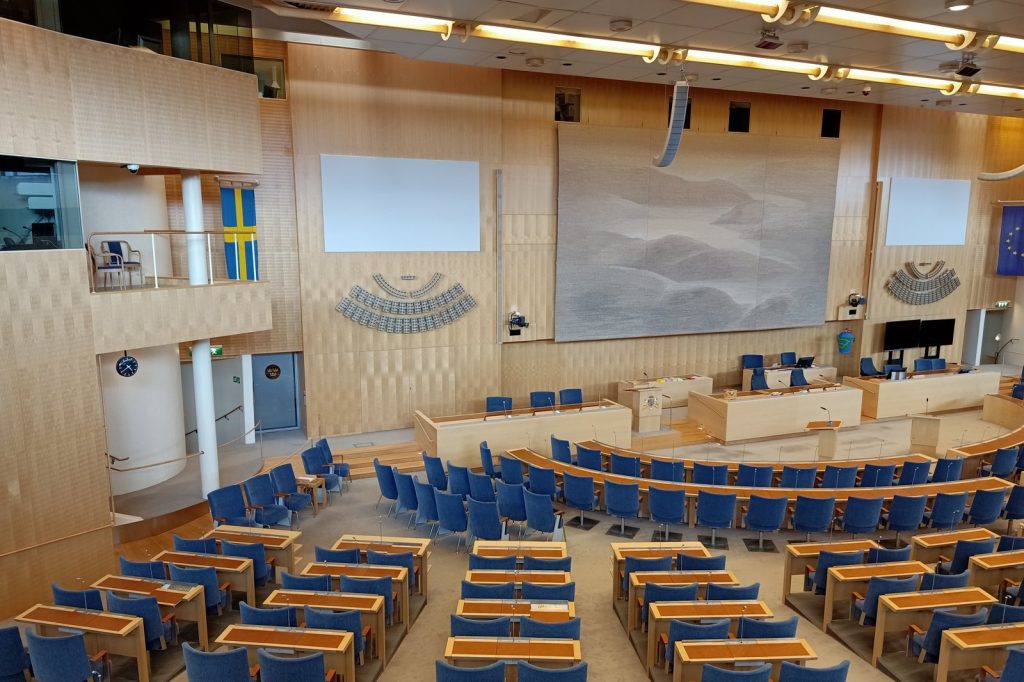
STOCKHOLM, October 16 Sweden finds itself at an impasse following the results of the September 13 general election, with no clear majority emerging for either the center-left or the right-wing blocs. The center-left opposition coalition — composed of the Social Democratic Party, the Left Party, the Green Party, and the Center Party — secured more seats than the right-wing bloc, yet both fall short of the necessary majority to form a government unilaterally.
The outcome has thrown the nation into a political stalemate, with the outgoing Prime Minister Ulf Kristersson of the Moderate Party now expected to lead negotiations for a potential government formation. This follows the Speaker of Parliament, Andreas Norlén, passing the mandate to Kristersson, a move that has been met with both cautious optimism and skepticism by various political factions.
The Center Party’s campaign strategy centered on excluding the socialist Left Party from the government cabinet, a stance that has complicated coalition-building efforts. Meanwhile, the Left Party has made it clear that it will not support any incoming government unless it is granted formal cabinet-level ministerial portfolios. This condition has created a significant hurdle for Kristersson, who must now navigate a delicate balance between appeasing the Left Party’s demands and maintaining the Center Party’s hardline position.
Kristersson’s fourth attempt to form a government comes amid growing public frustration over the political gridlock. Analysts suggest that the failure of these negotiations could lead to a snap election, a scenario that would further deepen the political uncertainty in Sweden.
The political deadlock has also raised questions about the stability of the Swedish government. With neither bloc holding a clear majority, the risk of a government collapse looms large. As the political landscape in Sweden continues to shift, the coming weeks will be crucial in determining the direction of the country.
The outcome of Kristersson’s negotiations will not only shape the immediate political future but also influence the long-term stability and governance of Sweden. With tensions high and the stakes even higher, all eyes are now on the negotiations that will determine the next chapter in Swedish politics.




