
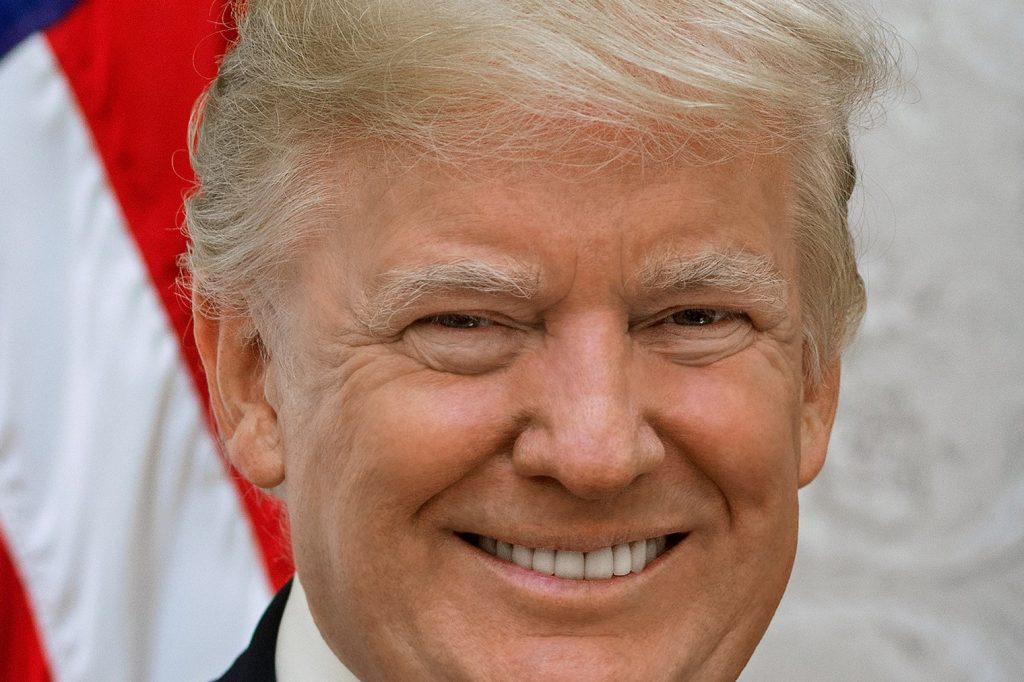
As of April 15, 2025, the United States has witnessed a significant surge in tariffs imposed by the Trump administration, affecting a wide range of imported goods. The overall average effective US tariff rate has risen dramatically from 2.5% to an estimated 27% between January and April 2025, marking the highest level in over a century. This substantial increase has been felt across various sectors, with metals, metal-made items, and vehicles being the most affected.
The imposition of these tariffs can be attributed to the laws passed by Congress, which grant the president the authority to impose tariffs unilaterally for national security reasons. Specifically, Section 232 of the 1962 Trade Expansion Act has been invoked by President Trump to raise tariffs on cars, steel, aluminum, copper, and related derivative products to as high as 50%.
This move has sparked considerable interest and debate about the implications of such tariffs on the US economy and its trade relationships with other countries. The tariffs imposed by the Trump administration have been widespread, covering a broad range of products. In addition to metals and vehicles, other items such as large-scale batteries, cast iron and iron fittings, plastic piping, industrial chemicals, and power grid and telecom equipment are also being considered for new tariffs.
The administration’s decision to impose these tariffs has been based on the premise of protecting national security interests, although the exact mechanisms and justifications behind these moves are subject to ongoing discussion and analysis. It is worth noting that the Constitution of the United States grants Congress the sole authority to levy taxes, including tariffs.
However, through laws such as the 1962 Trade Expansion Act, Congress has effectively delegated some of this authority to the president, allowing for the unilateral imposition of tariffs under certain circumstances. This complex interplay between congressional and executive powers has been a focal point of debate and scrutiny, particularly in the context of the Trump administration’s trade policies. The impact of these tariffs is likely to be far-reaching, with potential consequences for both domestic and international trade.
As the US continues to navigate its trade relationships with other countries, the effects of these tariffs will be closely watched by economists, policymakers, and industry stakeholders. While some argue that the tariffs are necessary to protect US industries and national security, others contend that they may have unintended consequences, such as higher prices for consumers or retaliatory measures from other countries.
Looking Ahead
As the situation continues to unfold, it will be important to monitor the developments and adjustments made to the tariffs imposed by the Trump administration. With the administration considering new tariffs on a range of products, the coming months will be crucial in determining the ultimate impact of these trade policies. Additionally, the role of Congress and the Supreme Court in shaping and potentially challenging these tariffs will be worth watching, as the balance of power between the executive and legislative branches continues to evolve. As of April 15, 2025, the future of US trade policy remains uncertain, and it will be essential to follow the developments closely to understand the implications of these tariffs for the US economy and its position in the global trade landscape.




