
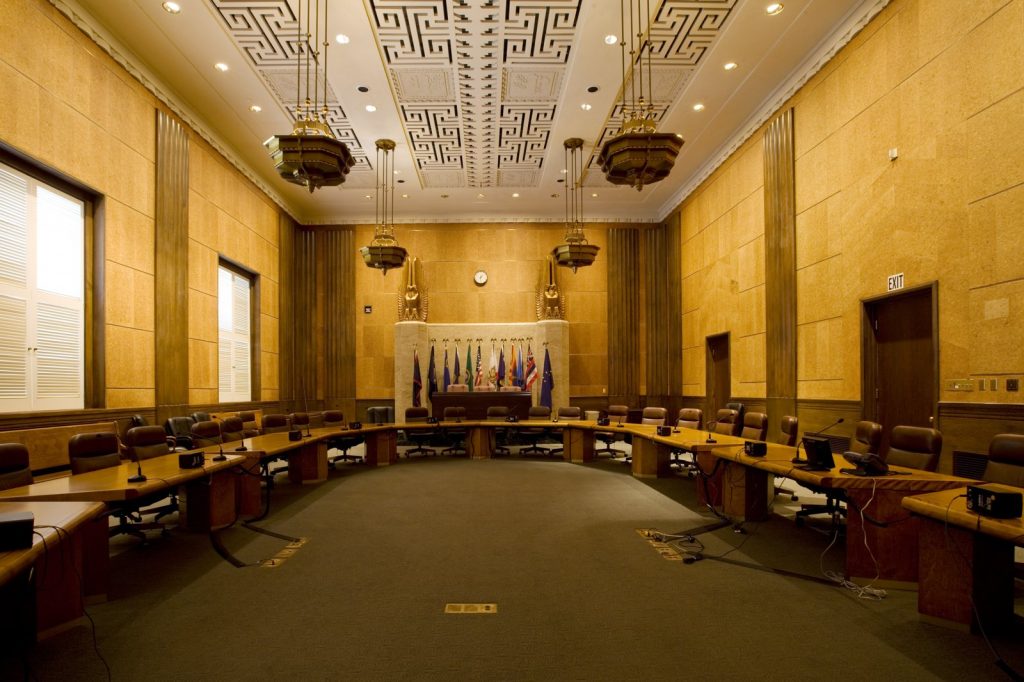
SAN FRANCISCO — The courtroom has become the epicenter of a legal battle that could reshape the artificial intelligence industry. Apple Inc. is pressing a sweeping trade secrets lawsuit against OpenAI, and by nightfall, lawyers for both sides were still filing motions ahead of a critical February hearing. The lawsuit, filed on January 10, 2025, in the United States District Court for the Northern District of California, accuses OpenAI of misappropriating Apple’s proprietary technology.
Apple is now seeking a preliminary injunction that would halt OpenAI’s product development entirely. A hearing on that motion is scheduled for February 15, 2025.
If the judge grants the injunction, the immediate consequence would be a delay to OpenAI’s planned launch of smart glasses, slated for late 2025. On the ground here in the tech world, the case is being watched as a potential landmark. Legal experts estimate that a trial could begin in early 2026, with possible appeals stretching into 2027.
A case management conference is set for March 5, 2025, where a trial date may be set. That hearing will give the first real indication of how fast this case will move through the federal docket.
What’s at stake for the AI industry
The case could set a precedent for trade secret protection in the AI industry. Apple argues that its confidential research and development work on artificial intelligence systems was improperly accessed and used by OpenAI. The company is not just seeking damages; it wants a court order to stop OpenAI from developing products using the allegedly stolen technology.
For OpenAI, a preliminary injunction would be a devastating blow. The smart glasses project represents a major push into consumer hardware, a direct competitor to Apple’s own wearable devices.
Residents of Silicon Valley describe the mood as tense, with venture capitalists and startup founders watching every filing. The Northern District of California handles a heavy load of intellectual property cases, given its location in the heart of the tech industry. But this lawsuit stands apart because of the sheer size of the companies involved and the potential for the ruling to define how trade secrets are protected in an era of rapid AI development.
The timeline ahead
By nightfall on this day, the case has already consumed months of legal maneuvering. The February 15 hearing on the preliminary injunction will be the first major test. If Apple prevails, OpenAI’s product pipeline could be frozen for the duration of the litigation.
A trial in early 2026 would likely take weeks, with expert witnesses testifying about the nature of the alleged trade secrets. Appeals could then push a final resolution into 2027, meaning the legal uncertainty could hang over both companies for years.
The judge assigned to the case has not yet signaled how she will rule. But the March 5 case management conference will be a key procedural milestone, setting the schedule for discovery and motions. For now, the tech industry waits — and the lawyers keep filing.
Sources
{“@context”: “https://schema.org”, “@type”: “NewsArticle”, “headline”: “Trump Legal Timeline: Proceedings and Potential Outcomes”, “description”: “SAN FRANCISCO — The courtroom has become the epicenter of a legal battle that could reshape the artificial intelligence industry. Apple Inc. is pressing a…”, “datePublished”: “2026-07-11T09:30:00+00:00”, “author”: {“@type”: “Person”, “name”: “Isabella Moore”}, “publisher”: {“@type”: “Organization”, “name”: “InfoPulse Today”, “url”: “https://newsfeed.infopulsetoday.com/”}, “citation”: [{“@type”: “CreativeWork”, “url”: “https://en.wikipedia.org/wiki/United_States_District_Court_for_the_Northern_District_of_California”}]}




