
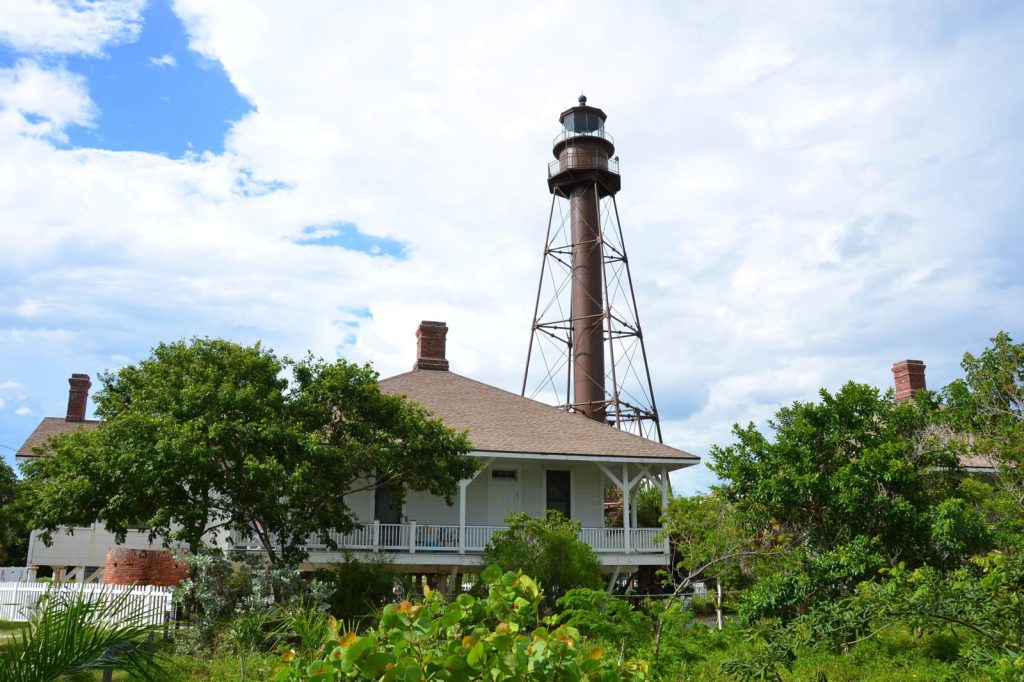
SANIBEL ISLAND, Fla. — The shell-covered beaches are back, the causeway is open, and the island’s signature slow pulse is beating again. More than two years after Hurricane Ian tore through this stretch of the Florida Gulf Coast, Sanibel Island has reached a notable milestone in its recovery: more than 70% of its businesses, restaurants and hotels have now reopened. For anyone who knew the island before the storm, that figure carries weight.
Hurricane Ian was not a glancing blow. It collapsed sections of the Sanibel Causeway, cutting off land access entirely.
It heavily damaged hotels and restaurants. It threatened the wildlife habitats that give the island its character. For families like mine, who had made the trip an annual tradition for as long as I can remember, the visits stopped.
I recently returned for the first time since the hurricane. The technical reality of the recovery is visible everywhere — construction crews, rebuilt roadways, the steady hum of restoration.
But what strikes you is not the damage that remains. It is the atmosphere that has survived. The island still carries that particular energy, a “little slice of paradise away from the rest of the world.” What makes Sanibel different from many Florida beach destinations is what it lacks.
No boardwalks crowded with chain shops. No high-rise resorts blocking the view of the Gulf. No beach bars pumping amplified music into the sand.
Instead, you get stretches of shell-covered beaches that have drawn collectors for generations. You get daily wildlife encounters — birds, sea turtles, the occasional dolphin working the shoreline.
You get tandem bike rides around the island, quiet dinners at local restaurants that have been serving the same families for years. The shelling is the detail that matters here. Sanibel’s east-west orientation and its position along the Gulf currents create a natural funnel for seashells.
The beaches replenish constantly. For a family that grew up on quiet shell hunts, seeing those beaches intact — covered in whelks, scallops and the occasional junonia — is a small but significant signal that the island’s ecosystem is recovering alongside its economy.
Rebuilding efforts are still underway. Not every hotel room is back online. Some restaurants remain closed.
The wildlife habitats that were threatened by the storm are still being monitored. But the island is open, the causeway is solid, and the pace of life remains stubbornly slow. The question now is what comes next.
With more than 70% of businesses reopened, the island is past the crisis phase and into the long work of rebuilding what was lost. For those of us who grew up on Sanibel’s rhythm — the shell hunts, the bike rides, the dinners at the same tables year after year — the return feels less like a vacation and more like a verification that the place still exists as it was.
As ever, the island itself will decide how fast that recovery proceeds.




