
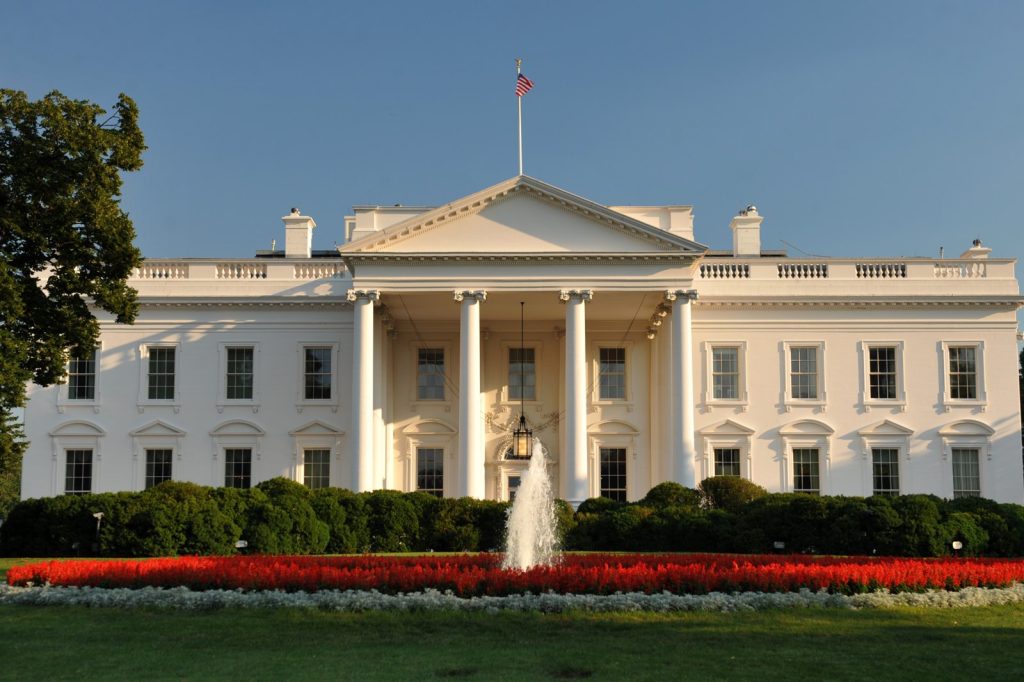
The White House this week used the bluntest tools in its emergency kit to keep open two long-running national emergencies — one concerning Libya, the other Cuba — and to bypass normal production rules for defense contractors. The moves are not new policy. They are renewals.
But they carry weight because letting them lapse would signal, in the government’s own estimation, that the threats have passed. The administration says that is not the case.
Libya’s emergency declaration, first issued under President Barack Obama in 2011 and renewed by every president since, stays in effect. So does the Cuba emergency, an older and more complex set of sanctions powers that also lets the government control vessel anchorage and movement in U.S. waters. The administration’s stated reason: ongoing threats to national security and regional stability.
Concrete consequences of letting either expire include losing the legal authority to freeze assets, restrict transactions, or block ships that the government deems a risk. The renewals mean those powers remain live.
A separate action this week went further. The President granted a waiver under Section 303 of the Defense Production Act of 1950. That law, passed during the Korean War, lets the government force private companies to prioritize defense contracts.
The waiver drops certain statutory requirements that normally slow the process down. What gets waived, exactly? The report does not specify which requirements.
But the effect is clear: faster production of critical defense items. The administration says this will “enhance the nation’s defense capabilities.” The stakes are concrete — a contractor that might have waited months for a waiver can now move weeks sooner.
On the domestic side, the administration took aim at energy production, specifically clean coal power generation. The report frames this as strengthening the fleet. Coal-fired plants that meet certain emissions standards — the “clean” designation — have been closing across the country for years, under pressure from cheaper natural gas and stricter environmental rules.
The executive action here does not appear to fund new plants or mandate construction. It directs the government to support the existing fleet.
What that support looks like in practice is not detailed. But the stated goal is energy security, and the implied risk is that without this support, more plants shut down, tightening power supply in regions that rely on them. Three separate actions, one week.
Each extends or accelerates something already in motion. None of them are flashy. The Libya emergency renewal is routine — it happens every year.
The Cuba renewal is similarly mechanical. The Defense Production Act waiver is the most aggressive of the three, because it removes procedural brakes that Congress deliberately installed.
The clean coal action is the most aspirational, because the industry has been in structural decline for a decade and no single executive order reverses market forces. What is genuinely at risk? On Libya, the emergency declaration covers assets and transactions tied to the Gaddafi-era government and its successors.
Letting it expire would free those assets and remove sanctions on certain Libyan entities. The administration judged that risk unacceptable.
On Cuba, the stakes include not just sanctions but the vessel regulations, which affect shipping in U.S. waters near Cuba. A lapse would remove those controls. On defense production, the risk is simpler: a bottleneck in the supply chain for weapons or equipment the military needs.
The waiver is meant to clear that bottleneck. On coal, the risk is a further contraction of baseload power generation in states like West Virginia, Pennsylvania, and Wyoming, where coal plants still run. The administration’s message this week is that none of these risks have diminished.
The emergencies remain emergencies. The production bottlenecks remain bottlenecks.
The coal fleet remains worth protecting. Whether that judgment holds is a question for Congress, the courts, and the next election. For now, the executive branch has acted.
{“@context”: “https://schema.org”, “@type”: “NewsArticle”, “headline”: “White House Renews Libya and Cuba Emergency Declarations, Bypasses Defense Rules”, “description”: “The White House this week used the bluntest tools in its emergency kit to keep open two long-running national emergencies — one concerning Libya, the…”, “datePublished”: “2026-02-14T23:30:00+00:00T09:30:00+00:00”, “author”: {“@type”: “Person”, “name”: “Isabella Moore”}, “publisher”: {“@type”: “Organization”, “name”: “InfoPulse Today”, “url”: “https://newsfeed.infopulsetoday.com/”}}




