
WASHINGTON, September 10 — The push to bar members of Congress from trading individual stocks is running straight into a familiar Washington problem: everyone agrees on the principle, and almost no one agrees on the bill. Both parties’ candidates for Wisconsin’s congressional seats say they back a ban. The concept draws support from the House Freedom Caucus on the right and the Congressional Progressive Caucus on the left, and President Donald Trump gave it a shoutout during his State of the Union address.
Governance ethics experts count it among their top priorities. What that consensus has not produced is legislation.
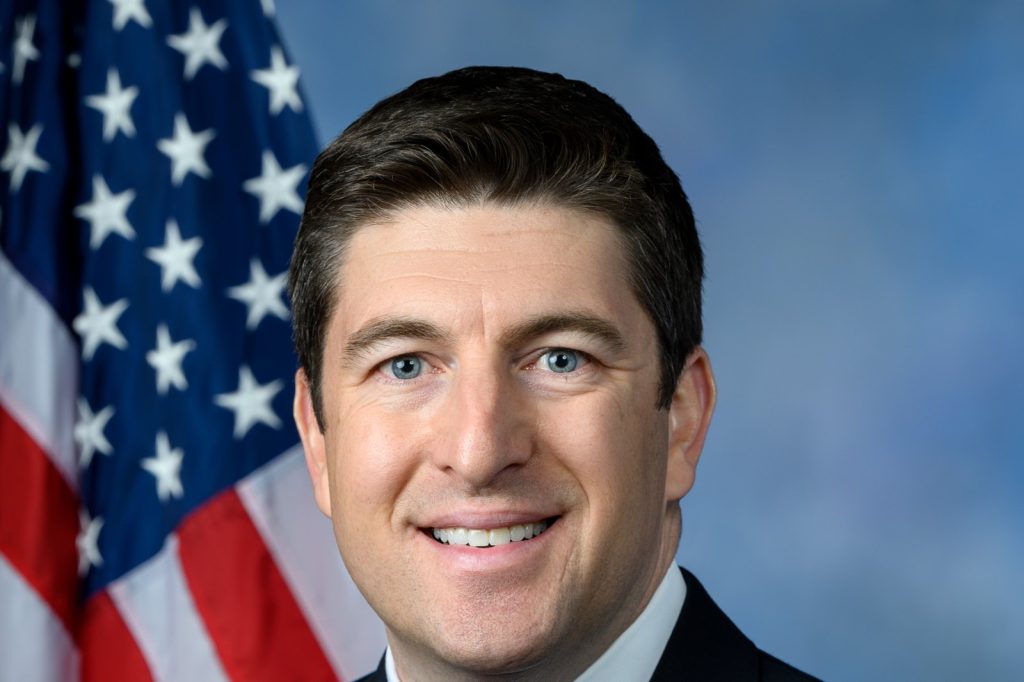
The House earlier this year passed a stock trading ban bill from Rep. Bryan Steil, R-Wis. Ethics experts, including Donald Sherman of the nonpartisan group Citizens for Responsibility and Ethics in Washington, called that measure “unserious.” The Senate has yet to take it up.
The Enforcement Question
Sherman’s argument for a ban rests on the leverage lawmakers already hold. “Congress should not be trading in the stock market when they can single-handedly impact a stock’s price by sending a letter, some by sending a Tweet,” he said.
He noted that decisions to call a hearing, invite a particular witness, or publish or withhold a deposition transcript “can have a dramatic impact on a stock price, and members can manipulate not just the market, but whole sectors.” Lawmakers split along party lines over who should be covered and what exactly should be prohibited. A handful of proposals are floating around Congress, and members cannot agree on whether to bar trading in individual stocks, whether spouses and dependent children should fall under the rules, or who should enforce them.
Currently a federal law called the STOCK Act requires Congress to disclose stock transactions and prohibits insider trading. No member of Congress has ever been prosecuted for insider trading under it.
Wisconsin as a Test Case
The issue keeps surfacing in Wisconsin campaigns. U.S. Rep. Derrick Van Orden, running a tight race in the state’s 3rd Congressional District, dedicated a recent press conference to it. Wisconsin Democratic Reps.
Gwen Moore and Mark Pocan, along with Mitchell Berman, the Democratic candidate running to unseat Steil, are hosting a joint press conference on it Sept. 10. According to the Campaign Legal Center, a nonpartisan legal organization, 61% of U.S. lawmakers — both Democrats and Republicans — owned stocks and widely held investment funds at the beginning of the current Congress.
Republican Rep. Tony Wied is the only U.S. lawmaker representing Wisconsin who owned stocks and widely held investment funds, per CLC data, and has regularly bought and sold stocks since joining Congress in 2024. His financial disclosures show he sold stock in companies including Tractor Supply Co. and Canadian National Railway in early 2025, after he was assigned to House committees covering agriculture and transportation.
He has since bought and sold stock in a variety of companies, ranging from Microsoft to telehealth company Hims and Hers Health, Inc. Other members make a point of not owning or trading stocks while in office. U.S. Sen. Ron Johnson divested when he joined Congress, and U.S. Sen. Tammy Baldwin has all of her assets in a blind trust, their offices said.
“We are sent to Washington to do the people’s work and make their lives better, not to use our position of power to trade stocks and make a quick buck,” Baldwin said in a statement. “That’s why I have led by example — never trading a single stock since I have been in the Senate and am fighting to root out corruption and stop members of Congress from enriching themselves while in office.” Strategically, the calculus for leadership is straightforward.
A ban is popular enough to unite the Freedom Caucus and the Progressive Caucus, which means the pressure will not fade simply because the Senate sits on the Steil bill. The broader stakes are whether Congress can write rules that cover spouses and dependents and assign enforcement to an authority with teeth — or whether it settles for a disclosure regime that has never produced a single insider trading prosecution. Watch the Senate.
If the chamber continues to ignore the House-passed measure, the campaign-trail pressure in Wisconsin and elsewhere will keep building, and the next round of proposals will be judged on whether they are serious enough to change behavior rather than just to be named after it.




