
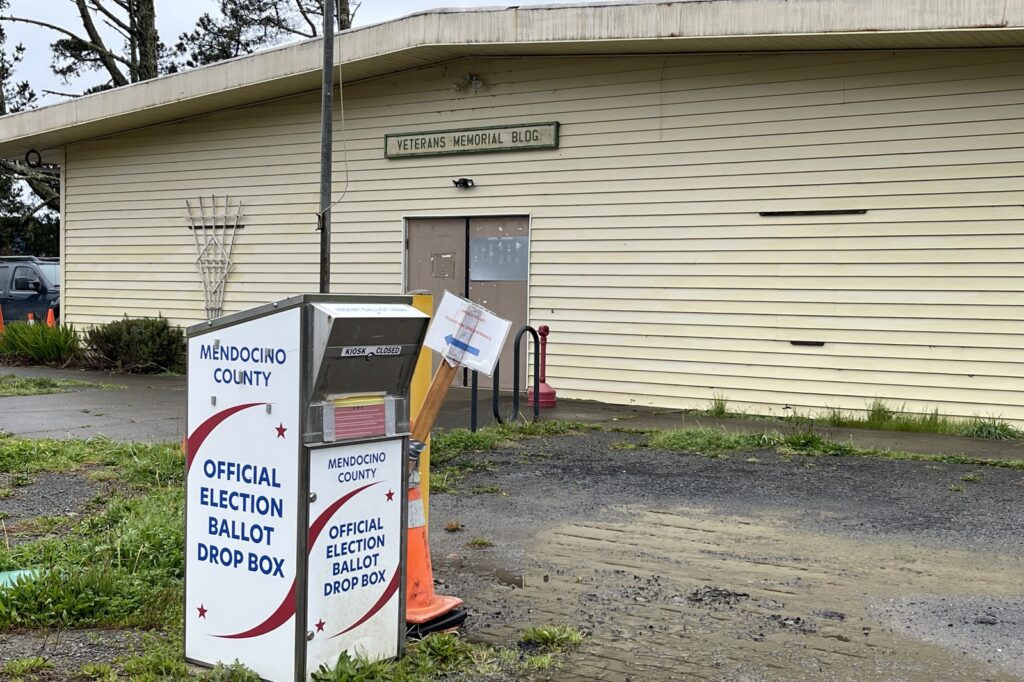
California verifies voter eligibility through DMV data sharing and citizenship checks to prevent noncitizen voting in elections. The system relies on state databases to confirm that only eligible citizens receive ballots, a process defended by local officials as essential to election integrity.
How California Verifies Voter Eligibility
California is a universal vote-by-mail state, meaning all registered voters are automatically sent a ballot. To ensure only citizens are registered, the state cross-references Department of Motor Vehicles (DMV) records with citizenship status. When individuals apply for or renew a driver’s license or state ID, they indicate citizenship status. This data is shared with election officials to verify eligibility before voter registration is finalized. The system does not rely on self-attestation alone; it uses government records to confirm legal status. According to the Governor’s office, this process is part of a broader effort to safeguard elections from meddling. Local election officials, including Secretary of State Dr. Shirley Weber and Los Angeles Registrar-Recorder/County Clerk Dean Logan, oversee the implementation of these checks at the county level.
Safeguards Against Noncitizen Voting
California’s election system includes multiple layers to prevent noncitizens from voting. Beyond DMV data sharing, the state maintains strict voter registration requirements that mandate proof of citizenship for new registrations. Election officials routinely audit voter rolls using state and federal databases to identify and remove ineligible entries. In a 2022 study, California was ranked as the 6th easiest state for citizens to vote in, reflecting a balance between accessibility and security. The state has also strengthened its defenses through legislative action. Governor Newsom signed a 13-bill election protection package last month to increase safeguards against potential meddling, including measures to reinforce voter verification protocols. These bills were designed to close gaps that could be exploited by foreign or domestic actors seeking to undermine election integrity.
Context of the Trump Administration Lawsuit
The current verification system came under legal challenge when the Trump DOJ filed an unfounded lawsuit against California Secretary of State Dr. Shirley Weber and Los Angeles Registrar-Recorder/County Clerk Dean Logan. The lawsuit, filed less than three weeks before the 2026 election, alleged that California was counting ballots from noncitizens. Governor Newsom rejected the claim, calling it a “sad, desperate attempt” to suppress voters and politicize the Justice Department. He emphasized that courts have repeatedly ruled the federal government has no role in how states administer their own election processes. The Governor defended local officials, stating they “do a damn good job defending democracy” and that the state would continue to conduct free and fair elections despite the legal challenge.
What the System Means for Election Integrity
California’s approach to voter eligibility verification reflects a commitment to both access and security. By automating ballot delivery while maintaining rigorous citizenship checks, the state aims to ensure that every eligible voter can participate without enabling fraud. The system is administered at the local level, with county registrars responsible for executing verification procedures under state guidelines. As of 2026, California continues to uphold its status as a leader in voter access, ranking among the top states for ease of voting, while asserting that its safeguards effectively prevent noncitizen voting. The state maintains that election integrity is preserved through transparent, auditable processes grounded in state law and administered by trusted local officials.
Governor Newsom’s Election Protection Package
Governor Newsom signed a 13-bill election protection package last month to increase safeguards against potential meddling in California elections, including measures to reinforce voter verification protocols. The package was designed to close gaps that could be exploited by foreign or domestic actors seeking to undermine election integrity. These legislative actions build on existing safeguards such as DMV data sharing and citizenship checks to strengthen the state’s defenses. The Governor emphasized that the package reflects a continued commitment to conducting free and fair elections despite legal challenges.
Historical Development of California’s Voter Verification System
California’s current voter eligibility verification system evolved from longstanding efforts to maintain accurate voter rolls and prevent ineligible voting. The state began integrating DMV data with election administration in the early 2000s following the passage of the federal Help America Vote Act of 2002, which encouraged states to improve voter registration systems. Over time, California expanded its use of government databases to include citizenship verification during driver’s license and ID card applications, creating a routine data-sharing process between the DMV and the Secretary of State’s office. This infrastructure allowed the state to automate eligibility checks without relying solely on voter self-attestation.
The system was further refined after the 2016 election, when concerns about election security prompted legislative reviews of voter registration procedures. In response, California strengthened its protocols for verifying citizenship status at the point of registration, ensuring that only individuals who provide proof of citizenship through DMV records or other state-verified documents are added to the voter rolls. These enhancements were implemented under the oversight of the Secretary of State, with Dr. Shirley Weber playing a key role in modernizing the state’s election administration since taking office in 2021.
By 2022, California’s voter verification process had become a model for other states seeking to balance accessibility with integrity, as reflected in its ranking as the 6th easiest state to vote in that year. The state’s approach combines universal vote-by-mail distribution with backend verification using trusted government data sources, a method that has been consistently upheld in court challenges, including the 2026 Trump DOJ lawsuit, which federal judges dismissed for lacking evidence and overstepping federal authority in state election administration.
Sources
- Elections in California
- California Midterm Elections 2026: Key Races, Candidates and Past Results
- Governor Newsom responds to unfounded Trump lawsuit that is desperate attempt to suppress California voters less than 3 weeks before election | Governor of California
Photo: Missvain (CC BY 4.0)




