
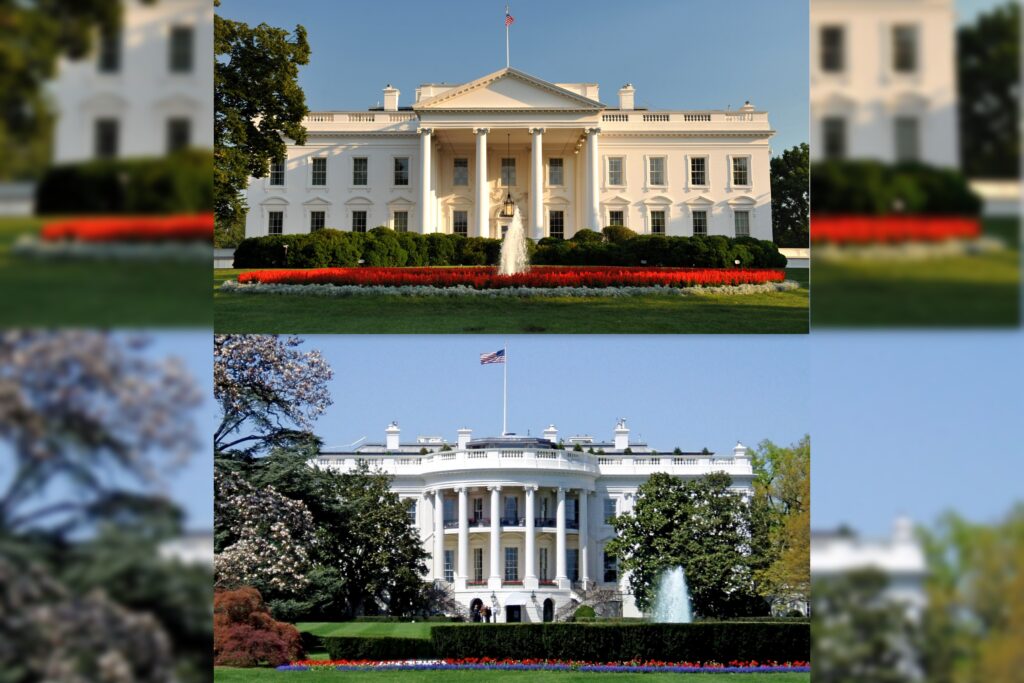
WASHINGTON, September 13 — The White House is weighing a plan to pay stay-at-home parents, according to draft documents reported by WRIC ABC 8News on September 8, a proposal that would direct up to $9,000 a year to families with one working parent and one parent at home. The mechanics are narrow. To qualify, parents must be married, one spouse must work more than 35 hours a week, and the other must stay home with the children.
The funding would not be new money. According to the drafts, it would come from the same pot originally meant to help financially strapped working families afford childcare — specifically a fund inside the Health and Human Services Department created under President Bill Clinton in the 1990s for that purpose.
The Fund at the Center of the Fight
That detail is where the proposal runs into trouble. According to the department, 80% of the families served by that fund are single-parent households, predominantly single mothers. The average cost for child care is $14,000 a year, meaning the proposed $9,000 might not cover everything.
Allison Gilbreath, senior director of Policy and Programs for Voices for Virginia’s Children, criticized the funding approach directly. “The dollars that are already severely unavailable for many families who are on waitlists to get childcare, it takes from that same fund,” she said.
“So there’s not additional dollars allocated to this program. It’s actually taking away dollars from subsidy families who already have a hard time getting access to the services in general.” Gilbreath did not dismiss the underlying idea outright. “I think that it is time to have a legitimate conversation about whether we pay a parent to stay home,” she said.
“What we can’t do is take money from the exact same dollars that are gonna support other families.”
Virginia as the Test Case
Virginia offers a useful window into the calculus. More than a third of families there already follow the one-working-parent, one-stay-at-home-parent model, while 10,000 children sit on waitlists for childcare assistance. The state is not a hypothetical for this policy — it is a live laboratory, and the waitlist numbers show the existing subsidy pipeline is already strained.
For the Trump administration, paying stay-at-home parents is a way to promote what’s seen as a more traditional family. This has been high on the priority list for Vice President J.D.
Vance. During a 2024 debate with then-candidate Tim Walz, when asked about paternity leave, Vance said, “The cultural pressure on young families, and especially young women, I think makes it really hard for people to choose the family model they want. A lot of young women would like to go back to work immediately, some would like to spend a little time home with the kids, some would like to spend longer at home with the kids.
We should have a family care model that makes choice possible.” What this signals strategically is a shift in how the administration frames family policy — away from subsidizing childcare access and toward subsidizing the choice to stay home. The broader stakes sit in that same fund.
If the draft is finalized, it would not need approval from Congress, which means the fight over the dollars would play out inside the department rather than on the floor of the House or Senate. Watch whether the draft advances as written, and whether the childcare subsidy waitlists in states like Virginia grow as a result. That is the measure that will settle the argument.




