
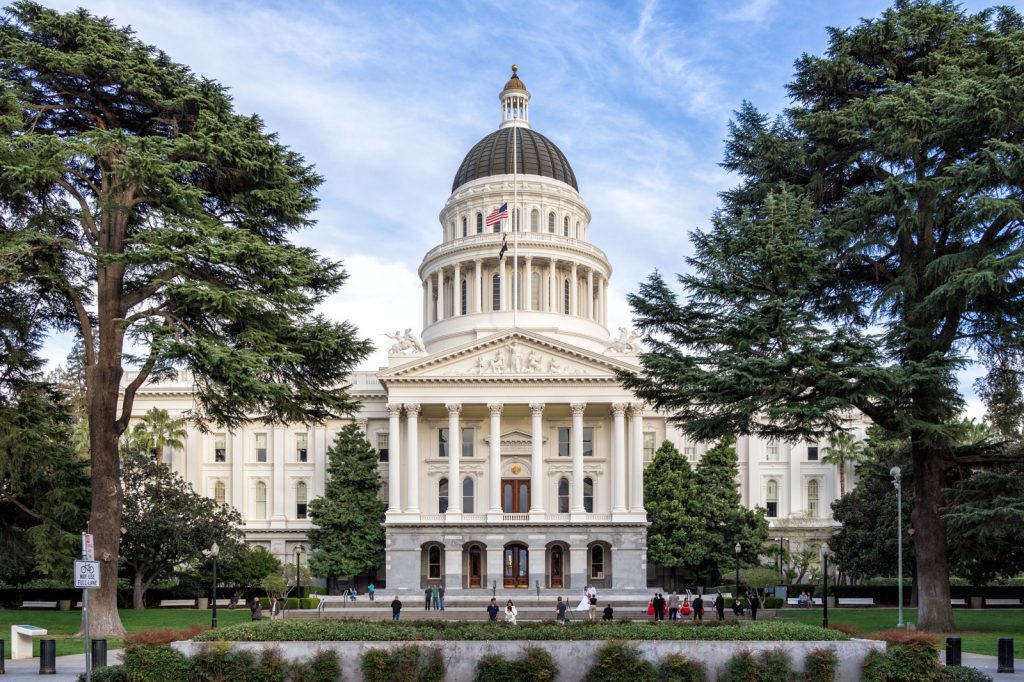
The 50 state legislatures across the United States hold far-reaching authority over public health policy, yet their strategic role in shaping the nation’s health landscape often receives less attention than federal action. These bodies function as the primary lawmaking institutions within each state, exercising powers that include establishing health agencies, regulating healthcare providers, appropriating funds for public health programs, and setting policies on disease control, vaccination, and health insurance. The result is a decentralized system where critical health decisions unfold not in Washington but in state capitols from Albany to Sacramento.
A Decentralized Network of Lawmaking Bodies
State legislatures operate under a structural calculus that mirrors the federal model of checks and balances, comprising a legislative branch, a governor exercising executive authority, and a state judiciary. Naming conventions vary across the union: 27 states use “legislature” or “state legislature,” 19 call it the “general assembly,” Massachusetts and New Hampshire use “general court,” and North Dakota and Oregon employ “legislative assembly.” All but Nebraska maintain a bicameral system, with an upper house called the senate that often confirms gubernatorial appointments and tries impeachment articles.
Nebraska abolished its lower house following a referendum effective with the 1936 elections, leaving a unicameral body whose members are known as state senators. During the 20th century, state legislatures grew in size and complexity, emulating the U.S. Congress, often with increased staffing and member pay. While most remain part-time bodies, some have expanded to year-round sessions.
This evolution reflects their expanding role in governance, taking on responsibilities ranging from education to infrastructure, while preserving the divided-power structure among executive, legislative, and judicial branches at the state level.
The Reach of Legislative Power in Public Health
The primary function of any state legislature is to create laws. They also approve state budgets, establish government agencies, set policies, and may elect other officials. In the realm of public health, a legislature can establish an agency to manage environmental conservation, regulate businesses and courts operating within its jurisdiction—including determining case types, setting court fees, and regulating attorney conduct—and appropriate funds for health programs.
A state legislature that controls vaccination mandates, health insurance regulations, and disease-control protocols effectively sets the public health trajectory for millions of residents. The calculus of power between the legislative branch, the governor, and the courts determines how aggressively such policies can be pursued or blocked.
These institutions trace their origins to colonial assemblies that shaped local governance before the nation’s founding. After independence, the Constitution reserved broad authority to the states, embedding legislatures as the primary lawmaking bodies within each one. Their decisions on issues that directly affect daily life—from public health to court operations—carry enduring significance, and their actions ripple upward, as they retain constitutional powers to influence national governance.
Constitutional Authority and National Influence
Under Article V of the U.S. Constitution, state lawmakers ratify proposed constitutional amendments and can call a national convention to propose amendments; after such a convention, 75% of states must ratify the result. Under Article II, legislatures choose how to appoint the state’s presidential electors. Until the 17th Amendment, ratified in 1913, some legislatures also appointed U.S. Senators.
If a legislature wishes to accomplish something that requires a constitutional amendment, it must follow specific steps designed to make alteration difficult, requiring sufficient support from the legislature, the people, or both. These powers make state legislatures central to both state and national decision-making.
As the 2026 session year continues, the strategic moves made in committee rooms and floor votes across the 50 states will shape the American health landscape far more than any single federal directive. Observers should watch for which legislatures move to expand or restrict their regulatory authority over healthcare providers and insurance markets—the real terrain where the policy war is fought. Readers should consult their doctor for medical advice.
{“@context”: “https://schema.org”, “@type”: “NewsArticle”, “headline”: “State Legislatures Shape Nation’s Health Policy, Often Unseen”, “description”: “WASHINGTON, July 18 — The 50 state legislatures across the United States hold far-reaching authority over public health policy, yet their strategic role in shaping…”, “datePublished”: “2026-07-18T09:30:00+00:00”, “author”: {“@type”: “Person”, “name”: “James Roberto”}, “publisher”: {“@type”: “Organization”, “name”: “InfoPulse Today”, “url”: “https://newsfeed.infopulsetoday.com/”}}




