
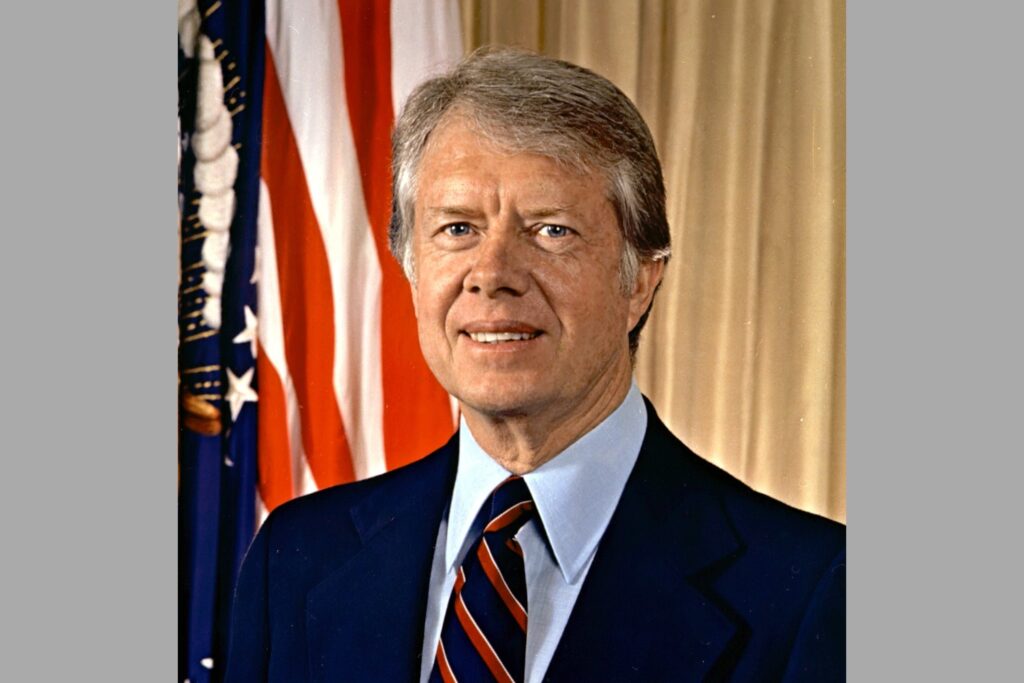
The statutory duty to shield every living former president of the United States rests squarely on the U.S. Secret Service, an agency that simultaneously hunts counterfeiters and secures the nation’s financial system. Under the Former Presidents Act of 1958, the Secret Service is required to provide lifetime protection for former presidents and their spouses.
As of 2024, that legal obligation covered five men: Jimmy Carter, Bill Clinton, George W. Bush, Barack Obama, and Donald Trump. Each receives a full-time protective detail, regardless of whether the former chief executive travels, campaigns, or remains in private life.
Intelligence-Driven Security Escalation
The agency’s protective mission rests on three pillars: threat assessment, advance planning, and physical security. Threat assessment serves as the intelligence-driven engine that determines the level of risk for each protectee. That pillar has been particularly active concerning Donald Trump. In 2022, the Secret Service increased security for the former president following intelligence reports of specific Iranian threats.
This was not a routine adjustment; it represented a tangible escalation in the protective posture for a former president who, by statute, already qualified for full-time coverage. Agency protocols treat such an operational uplift as a significant step, one reserved for threats deemed credible and specific enough to warrant extra resources.
Trump’s own 2024 claim of being a target underscores the ongoing threat assessment process. The Secret Service does not publicly confirm or deny specific threat streams as a matter of operational security. Yet the claim aligns with the documented 2022 security increase, indicating that the intelligence community continues to track a threat environment that the agency takes seriously.
The protective net that surrounds a former president is both invisible and extraordinarily expensive, and its effectiveness is measured only in the incidents that do not happen.
Agency Resources and the Campaign Trail Challenge
The Secret Service itself is a substantial federal law enforcement machine. It employs over 7,000 personnel and operates on an annual budget of approximately $3 billion.
Congress gave the agency two standing jobs: shielding public officials and defending the financial system. Its protective reach covers sitting and former presidents, candidates, and visiting foreign leaders. Most of this work stays out of public view.
For a former president on the campaign trail, the logistical footprint expands considerably. Every additional event, rally, or public appearance requires advance teams, route surveys, medical support, and coordination with local law enforcement—all drawn from the same pool of agents and officers that covers the sitting president and vice president.
The agency’s dual mission traces back to its origins inside the Treasury Department, where it was created to fight counterfeiting of American money. Protection of presidents and presidential candidates began in 1901 after a president was assassinated. In 2003, the Secret Service moved to the Department of Homeland Security, shifting its home but keeping both the guard and investigative duties intact. That history matters now because threats against former officials have grown more complex.
Readers rely on the agency’s quiet work to keep elections and ex-leaders safe from harm.
Balancing Statutory Obligations Against Evolving Threats
Looking ahead, the central question is whether the threat environment will continue to drive resource allocation. The Secret Service has limited personnel and a fixed budget; every protective detail for a former president or major candidate draws from the same finite pool.
As the 2028 election cycle approaches, the agency will face the same calculus: how to balance statutory obligations against an evolving threat matrix, with no room for error. The threat environment is not static, and the agency must constantly reassess risk for each protectee. The 2022 security increase for Trump demonstrated that the Secret Service is willing to adjust posture in real time based on intelligence.
That same process will apply to all former presidents and candidates, ensuring that the protective net remains as strong as the intelligence that guides it.
{“@context”: “https://schema.org”, “@type”: “NewsArticle”, “headline”: “Secret Service Bears Lifelong Duty to Protect Former U.S. Presidents”, “description”: “WASHINGTON, July 8 — The statutory duty to shield every living former president of the United States rests squarely on the U.S. Secret Service, an…”, “datePublished”: “2026-07-08T09:30:00+00:00”, “author”: {“@type”: “Person”, “name”: “Maria Romano”}, “publisher”: {“@type”: “Organization”, “name”: “InfoPulse Today”, “url”: “https://newsfeed.2bme.xyz/”}}




