
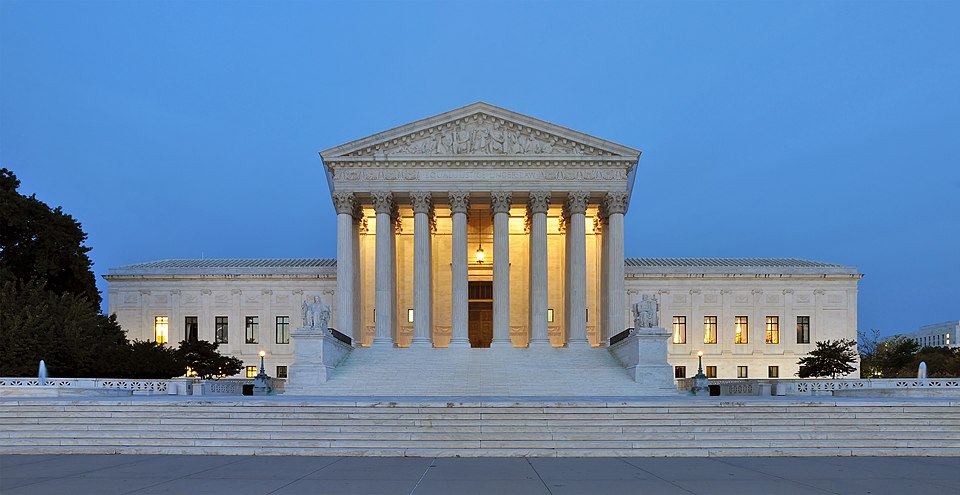
NEW DELHI — The June 19 Supreme Court ruling on footpaths lands at a precise moment. India spent roughly $137 billion on crude imports last financial year. The Prime Minister has asked citizens to burn less petrol and diesel.
Road transport accounts for about 12% of the country’s energy-related carbon dioxide emissions, and a joint study by the International Energy Agency and NITI Aayog warns that figure could double by 2050 if growth keeps its current pace. So the court declared a fundamental right to walk.
The executive made its appeal. Both now point to the same strip of concrete — or the absence of it. Step outside almost any Indian home.
In Delhi, Bhopal, Coimbatore, or a tier 3 town. Try to walk a short distance to a milk shop, a school gate, or a Metro station.
As often as not, there is no footpath. Or it is broken. Encroached upon.
Parked over. It ends at a crossing no sensible person would attempt. The resident does what the street quietly demands: starts a scooter, hails an auto, or gives up on the trip.
That reflex is the fuel problem meeting the pavement. The court registered the matter on its own motion as “Re: Fundamental Right to Walk and Footpath.” It sent the judgment to three Union ministries and the Law Commission.
The ruling flows from Article 19(1)(d), read with Articles 19(1)(a), (b) and (c) and Article 21. The court held that citizens hold a fundamental right to walk, and that this right includes safe, marked and properly maintained footpaths that take priority over motor vehicles. The consequences now ripple outward.
The first effect lands on three ministries: Urban Development, Road Transport and Highways, and Housing and Urban Affairs. They must respond.
The Law Commission must study the judgment. What enforcement mechanism follows is unclear. The court did not set a deadline for compliance in the published order.
The second effect hits municipal corporations across states. Footpaths fall under local bodies. Most do not maintain them.
Many allow hawkers, parked cars, and construction debris to block them. The ruling says footpaths take priority over motor vehicles.
That reverses decades of street design that treated cars as kings and pedestrians as obstacles. The third effect touches every citizen who walks. That is most of the country.
The poor walk most. Women walk.
Children walk to school. The elderly walk. The ruling does not build a single footpath.
But it creates legal standing. A citizen can now argue in court that a missing or broken footpath violates a fundamental right. Officials noted that the judiciary and the executive have arrived at the same place from opposite directions.
Both point to the footpath. The court through rights.
The government through fuel savings and carbon targets. The joint IEA-NITI Aayog study warns that road transport emissions could double by 2050. Walking emits nothing.
It costs nothing. It requires only a surface that does not force a person onto a road shared with buses and trucks.
The practical test is brutal. India has thousands of kilometers of roads. It has far fewer kilometers of usable footpaths.
The gap is widest outside the planned sectors of Delhi and the corporate corridors of Bengaluru. In tier 3 towns and rural market streets, the footpath is often a rumour. The court ruling and the government appeal now face the same question: whether the country can build and maintain what it has just declared a right.
The fuel bill waits. The climate clock ticks.
The footpath, for now, is the battleground.




