
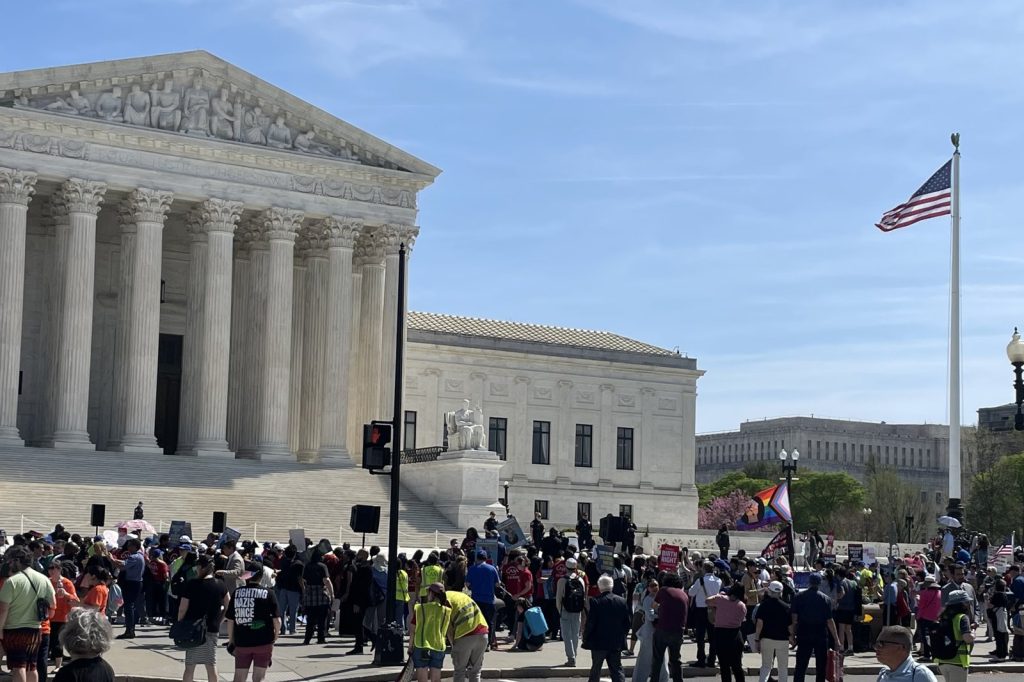
The accelerating debate over birthright citizenship is forcing a fundamental reexamination of a constitutional guarantee that has stood for more than a century, even as the administration has not announced any formal action. At stake is the legal status of millions of U.S.-born children of non-citizen parents, whose access to education, healthcare, and employment could be limited under a potential policy shift, according to advocates and policy analysts tracking the discussion.
The outcome, they warn, would carry immediate and direct consequences for families across the country while shaping the nation’s demographic and fiscal trajectory for decades to come.
The Constitutional Foundation and Its Evolution
The concept of birthright citizenship is rooted in the 14th Amendment to the U.S. Constitution, ratified in 1868. Its language states that “all persons born or naturalized in the United States, and subject to the jurisdiction thereof, are citizens of the United States and of the State wherein they reside.” Originally intended to guarantee citizenship for formerly enslaved people after the Civil War, the provision over time became the legal foundation for automatic citizenship granted to children of immigrants, regardless of their parents’ immigration status.
For more than a century, that interpretation remained largely settled law. The current debate now challenges that fundamental legal guarantee, signaling a potential shift in what it means to belong to the nation.
The Stakes and Divergent Perspectives
Advocates of maintaining the current policy argue that any move to alter birthright citizenship would undermine the principle of equality embedded in the 14th Amendment. They contend it would not only affect the lives of millions of children but also send a strong message about the United States’ stance on immigration and the value it places on citizenship.
They warn of increased statelessness and social disruption, as well as significant economic consequences: a reduced future labor force and a shrinking tax base. Supporters of changing birthright citizenship, by contrast, argue it would serve as a deterrent to illegal immigration by removing the incentive for pregnant women to enter the country solely to ensure their child’s automatic citizenship. They believe this could help address issues related to illegal immigration and reduce the burden on public resources.
The calculus for each side rests on competing visions of what citizenship means and whom it should serve, touching on deeply held beliefs about national identity, the role of government, and the future direction of the country.
Migration History and Broader Implications
Immigration has been a defining force in American history since the nation’s founding. The country’s immigration policies have shifted dramatically over time. In the 1920s, a quota system severely limited arrivals from Southern and Eastern Europe and barred most Asian immigration.
Those ethnic restrictions were abolished in 1965, leading to a sharp increase in migration from Asia, Latin America, and other regions. The foreign-born population grew substantially in the decades that followed, reshaping the nation’s demographic makeup.
The debate is accelerating, and the implications for millions of families are direct and immediate, even as no formal action has been announced.




