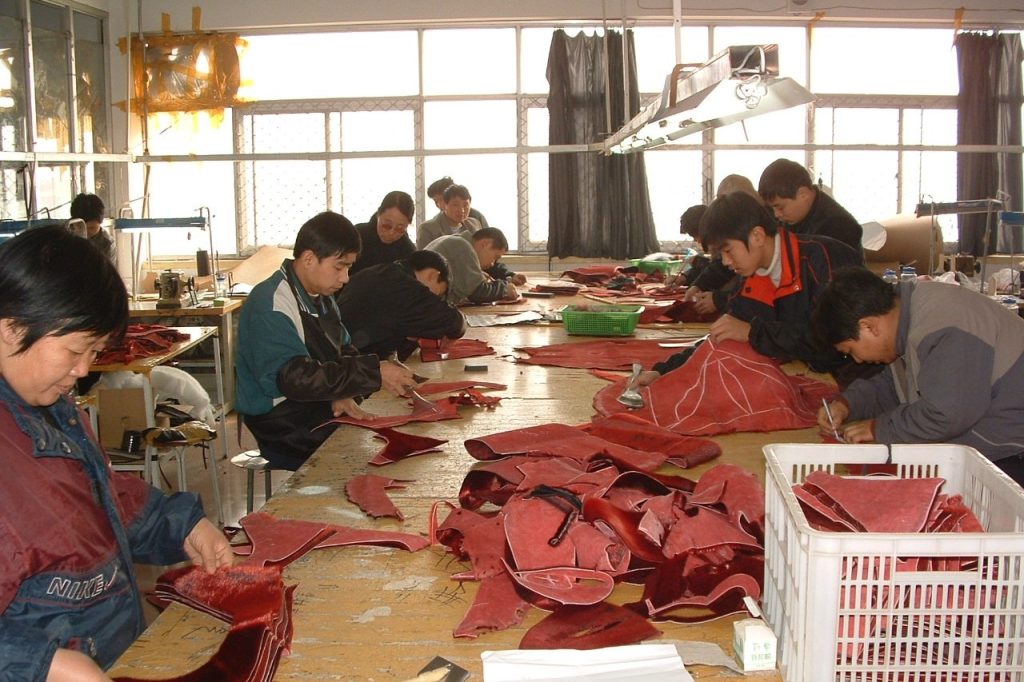
China’s manufacturing sector experienced its steepest contraction since records began in 2004, according to the Caixin purchasing managers’ index for February. The index fell to 40.3, a level indicating severe contraction, as any reading below 50 signals a downturn. Every sub-index—including output, new orders, and employment—touched historic lows.
The data reflects the impact of mass quarantines imposed by Beijing, which kept millions of workers at home and effectively halted production across the world’s second-largest economy. Despite this grim economic news, Asian stock markets posted gains on Monday, March 2, 2020.
Tokyo’s Nikkei 225 reversed an early two percent decline to close 0.9 percent higher. Hong Kong’s Hang Seng Index rose 0.7 percent, and Shanghai’s CSI 300 ended the day up 1.1 percent. Futures on the S&P 500 also climbed 1.4 percent, suggesting the positive sentiment would extend to New York markets.
The disconnect between the factory data and the market rally centers on promises from major central banks. Bank of Japan Governor Haruhiko Kuroda issued an emergency statement before Tokyo’s lunch break, breaking with normal protocol.
He said the BOJ would “monitor developments carefully, and strive to stabilize markets and offer sufficient liquidity via market operations and asset purchases.” The statement did not include a rate cut but pledged to keep money flowing. Kuroda’s remarks echoed a statement from U.S. Federal Reserve Chair Jerome Powell late Friday. Powell said, “The Federal Reserve is closely monitoring developments and their implications for the economic outlook.
We will use our tools and act as appropriate to support the economy.” No specific actions were announced, but the promise of intervention was enough to shift market sentiment. Investors are betting that coordinated central bank support will cushion the economic shock from the coronavirus outbreak.
The Caixin data, a private survey widely regarded for its timeliness and focus on small and medium-sized manufacturers, showed the worst reading on record. The previous low of 40.9 occurred during the global financial crisis. Sub-indices confirmed the severity: output collapsed, new orders evaporated, and employment cratered.
The rally was not euphoric but sufficient to reverse earlier losses. The Nikkei’s 0.9 percent gain, the Hang Seng’s 0.7 percent rise, and the CSI 300’s 1.1 percent increase suggest cautious optimism rather than full conviction.
Traders appeared willing to wait for actual policy moves. Central banks can provide liquidity and prevent credit markets from freezing, but they cannot restart supply chains or compel workers to return to factories. The underlying problem—a pandemic shutting down production across China—remains unresolved. Monday’s market response bought time, but the real test will come if factories stay silent and the promised liquidity runs out.