The Supreme Court on Tuesday declined to bring back a Biden-era rule that lets immigration judges pause some deportation cases. In a brief, unsigned order, the justices turned down a request from three cities and a legal-services group to put on hold an agreement between Texas and the Justice Department that wiped the rule out. SCOTUSblog reported the order.
What the rule did
The Executive Office for Immigration Review (EOIR), part of the Justice Department, adopted the regulation in 2024. It covers what is known as administrative closure. Under it, an immigration judge may suspend certain deportation proceedings, for example so that a crime victim or witness can seek relief such as asylum from U.S. Citizenship and Immigration Services, a separate agency. The rule applies while the immigrant’s appeal in the lower federal courts is ongoing.
A lawsuit settled within hours
Texas sued in June in Wichita Falls, where the case landed before Chief U.S. District Judge Reed O’Connor, the only federal judge in that area. The state called the rule part of a campaign to undermine immigration law and said EOIR had no authority to adopt it. Federal law, Texas argued, requires an immigration judge at the end of a proceeding to decide whether a person is removable.
Just a few hours after the filing, the Justice Department and Texas jointly asked O’Connor to enter final judgment for the state. The department also wanted the rule thrown out and an order barring EOIR from adopting a similar one later. O’Connor granted both requests the same day.
Cities try to step in
On Aug. 7, Baltimore, New Haven and Columbus, along with Centro Legal de la Raza, which provides legal services to immigrants, filed an emergency motion to join the case. They wanted to defend the rule on appeal, since neither Texas nor the federal government would. O’Connor refused, finding they had no legal standing. He specifically rejected the cities’ claim that losing the rule would cost them money because their taxpayers were likely to be deported.
The U.S. Court of Appeals for the 5th Circuit declined to pause his decision during the appeal, and the challengers came to the Supreme Court on Oct. 9.
U.S. Solicitor General D. John Sauer urged the justices to leave the agreement alone. He said the request tried to turn a clear-cut dispute over joining the case into a broad attack on the court’s approval of the deal. Texas told the court that a stay “would revive a rule the district court declared unlawful.” It also warned that if any local government could claim standing whenever federal immigration policy might change its number of taxpayers, nearly every immigration measure could be challenged by municipalities on both sides.
The court denied the request without comment four days after briefing was complete. The 2024 rule stays void, and O’Connor’s order against a similar rule stays in place.
Sources
- Deportation
- Court declines to restore Biden-era regulation allowing some deportation proceedings to be suspended
- Trump administration and Texas urge court to leave their agreement on deportation proceedings in place
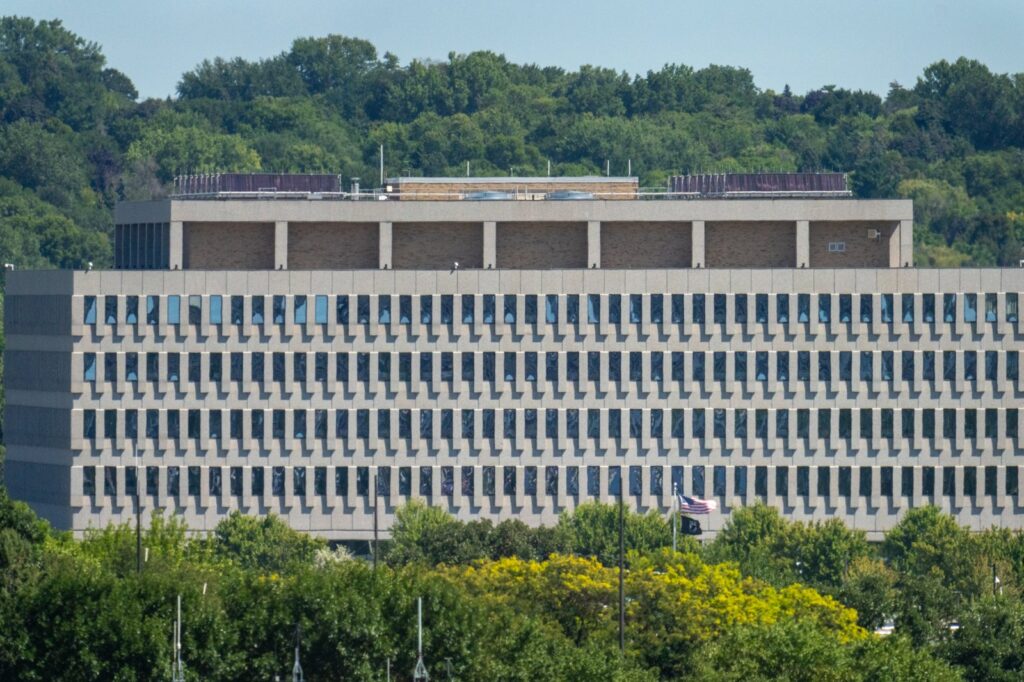
Photo: Tony Webster (CC BY 2.0)