
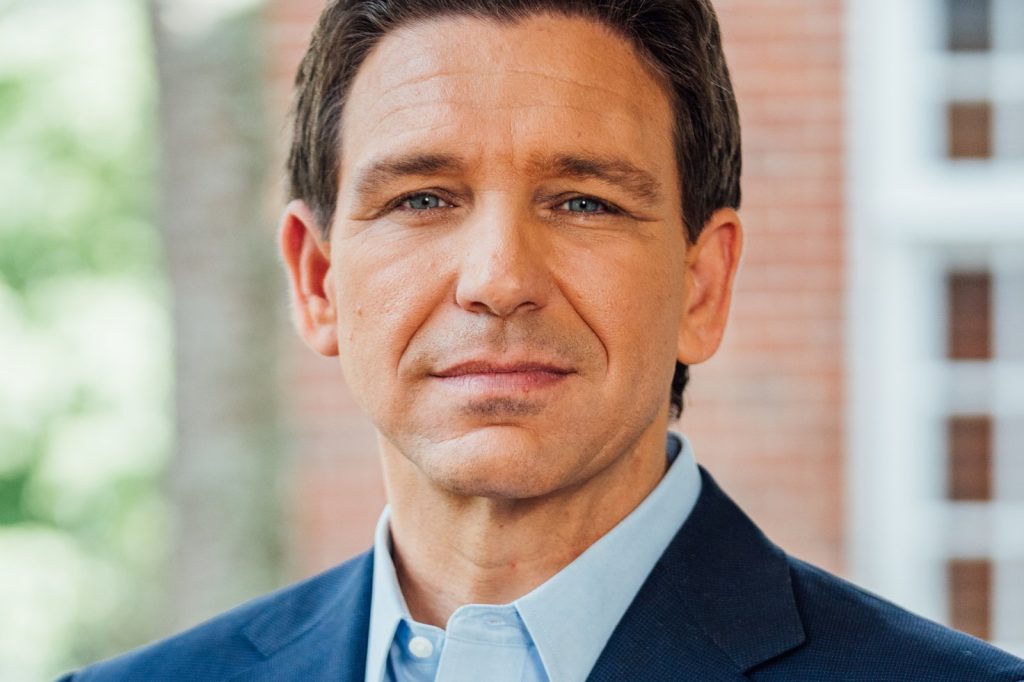
NEW YORK — The model bill that Florida Governor Ron DeSantis signed into law this month, banning local government spending on diversity, equity and inclusion initiatives, did not originate in Tallahassee. It was written on West 44th Street. The Manhattan Institute for Policy Research, a conservative think tank, drafted the language.
And since that model bill was released in 2023, the number of anti-DEI bills introduced in state legislatures across the country has risen sharply. Several states have introduced legislation using nearly identical wording.
This is not an accident. It is a strategy. The Manhattan Institute has shifted.
Before the 2020s, it did not have a strong focus on LGBTQ+ issues. That has changed.
The institute is now working directly with the US administration on policy regarding gender-affirming care. The Department of Health and Human Services has collaborated with MI on its controversial pediatric gender care guidance. Quinnehtukqut McLamore, an assistant professor of psychology at the University of Missouri, explained why attacking LGBTQ+ rights works as a political strategy.
The approach, McLamore said, draws support from people who would not normally back a right-wing agenda. They will, however, back anti-trans positions. It is a wedge that splits off a piece of the electorate that otherwise stays home.
On the ground in New York City, residents describe a sense of unease. The bill DeSantis signed defines DEI using the Manhattan Institute’s own language.
LGBTQ+ advocates have labeled it a “pride ban.” They say it threatens nondiscrimination ordinances, local pride events, and other services. The law prohibits local governments from spending money on DEI-related initiatives. The definition of DEI in the law is adapted directly from the Manhattan Institute’s model bill.
This is how think tank politics works. A small group of people in an office building write a document.
That document becomes a bill. The bill becomes law. People in another state lose protections they had.
The distance between the policy writers and the people affected is vast. The connection is real. The Manhattan Institute has been instrumental in informing the US administration’s policy on gender-affirming care.
The HHS pediatric gender care guidance has been controversial from the start. The institute’s fingerprints are on it.
The same organization that wrote the model bill for DEI restrictions is also shaping federal health policy on transgender youth. By nightfall, the implications of Florida’s new law were still being felt. The bill was signed.
The celebrations and condemnations were issued. But the real work — the work of implementation, of litigation, of figuring out exactly what a “pride ban” means for a city’s pride parade — that work was just beginning.
The Manhattan Institute’s recent focus on LGBTQ+ issues represents a strategic pivot. It is effective. It is deliberate.
And it is producing results. The model bill released in 2023 has spawned copycat legislation in multiple states. The language is the same.
The targets are the same. The think tank’s influence is measurable in statute books from Florida to wherever the next bill lands.
The unease in New York City is not just about what happened in Florida. It is about what comes next. The Manhattan Institute is still operating.
The model bill is still available. The administration is still collaborating.
The strategy is still working.
{“@context”: “https://schema.org”, “@type”: “NewsArticle”, “headline”: “Manhattan Institute Drafted Model Bill Behind Florida’s Anti-DEI Law”, “description”: “NEW YORK — The model bill that Florida Governor Ron DeSantis signed into law this month, banning local government spending on diversity, equity and inclusion…”, “datePublished”: “2026-06-21T09:03:00+00:00T09:30:00+00:00”, “author”: {“@type”: “Person”, “name”: “Sebastian Smith”}, “publisher”: {“@type”: “Organization”, “name”: “InfoPulse Today”, “url”: “https://newsfeed.infopulsetoday.com/”}}




