
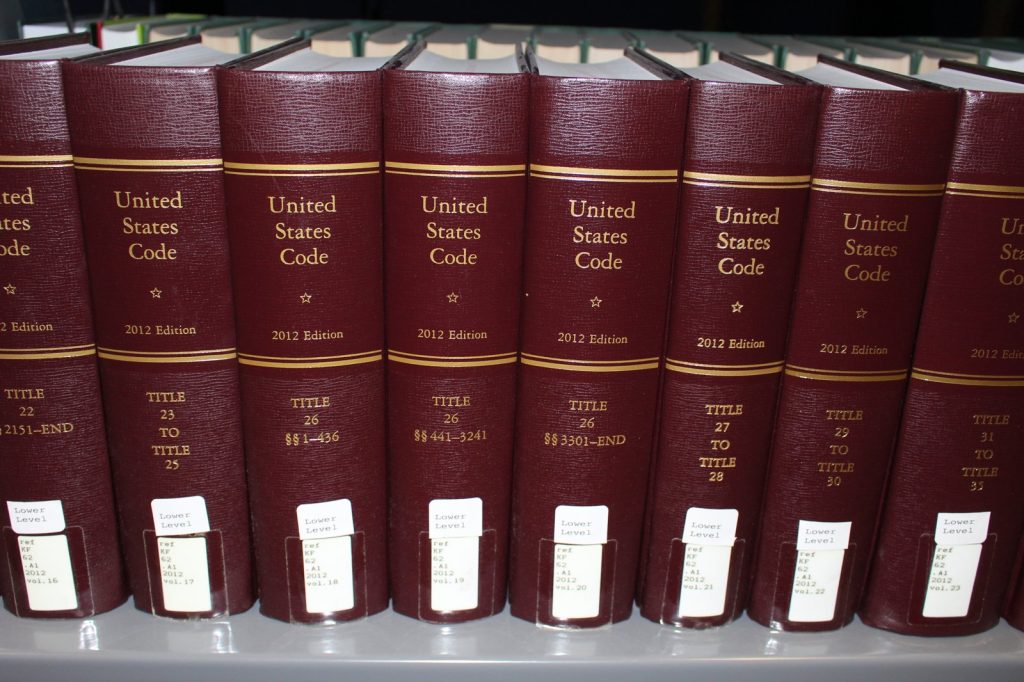
Washington, July 16 — For anyone seeking to understand how the U.S. government manages money–from minting coins to paying its bills on time–the starting point is Title 31 of the United States Code. Codified on September 13, 1982, under Public Law 97-258, Title 31 governs “Money and Finance” across the federal landscape. Its provisions touch everything from the design of a dollar coin to the interest penalties the government must pay when it is late on a business invoice.
The United States Code itself is the official compilation of federal laws, organized by subject into titles rather than by date. This structure replaces the chronological but unwieldy United States Statutes at Large, which records laws as they are passed without grouping related provisions.
The Office of the Law Revision Counsel in the House of Representatives maintains the code, removing expired or amended sections and arranging the rest by topic for easier reference. This organization allows agencies, courts, and citizens to locate all current laws on a given topic in one place. Title 31, covering money and finance, exemplifies how the code consolidates scattered statutes into a coherent framework for daily government operations and legal interpretation.
A Codified Framework for Federal Finance
Title 31 is organized into subtitles covering general provisions, the budget process, financial management, and money. The code’s chapters assign specific responsibilities to key federal entities: the Department of the Treasury under Chapter 3, the Office of Management and Budget under Chapter 5, and the Government Accountability Office under Chapter 7. The budget process itself occupies Chapters 11, 13, and 15, providing the statutory backbone for how the government plans and approves its spending.
A significant operational provision resides in Chapter 39, the prompt payment section. It mandates that when federal agencies fail to pay business invoices by their due dates, they must pay interest penalties.
This rule ensures that businesses contracting with the government are not left waiting indefinitely for payment, and it holds agencies accountable for timely financial obligations. The latest contents of Title 31 were updated as of Public Law 115-35 on May 17, 2017, reflecting ongoing legislative adjustments to the statutory framework that governs federal finance.
Coins, Currency, and Specific Mandates
Subtitle IV, Chapter 51 of Title 31 addresses coins and currency, with Section 5112 serving as the key provision. This section details the denominations, specifications, and design of coinage.
Subsection (a)(1) mandates the Sacagawea dollar, ensuring the continued production of a coin honoring the Shoshone woman who guided the Lewis and Clark expedition. Subsection (e) authorizes the American Silver Eagle, a bullion coin widely collected and traded. Subsection (l) provides for 50-cent coins, including the Kennedy half dollar.
These specific directives illustrate how Title 31 translates broad policy into concrete instructions for the U.S. Mint, shaping physical currency that circulates among the public and collectors alike. The codification of these mandates under one title allows for consistent application and easy reference, reinforcing the code’s purpose of making federal law accessible and navigable.
By pulling together scattered statutes on money and finance, Title 31 creates a single, coherent legal framework that governs everything from the budget process to the coin in a citizen’s pocket–a practical tool for government accountability and everyday economic activity.




